27 Small Apartment Living Room Decor Ideas: Maximize Style in Minimal Space
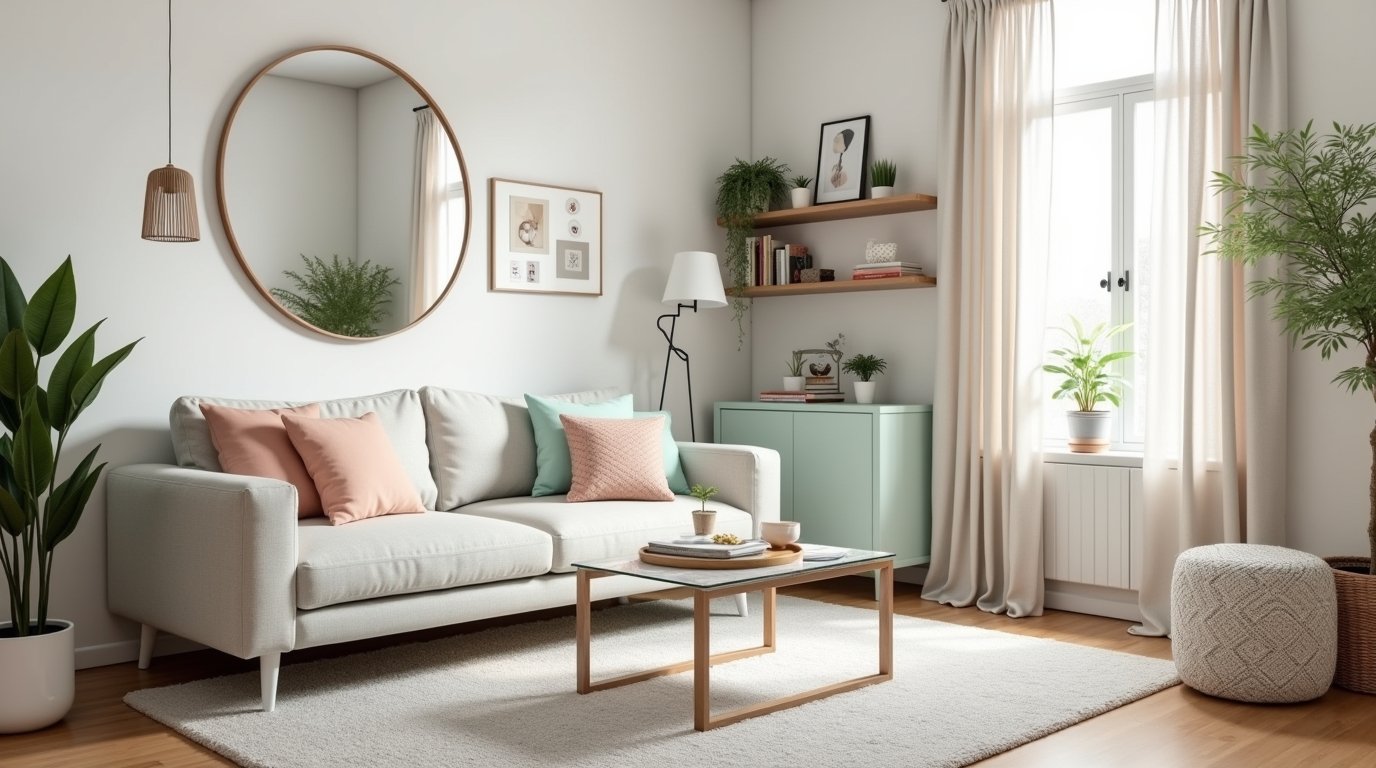
Small apartment living room decor ideas aren’t just about squeezing furniture into tight corners—they’re about crafting a space that feels both functional and fabulous. Whether you’re battling cluttered chaos or staring at a blank canvas, this guide will help you transform your compact living area into a cozy, stylish haven. From multi-functional furniture hacks to lighting illusions that trick the eye, we’ve got you covered. Let’s dive into the essentials of small-space design!
Part 1: Introduction to Small Apartment Living Room Decor
Why Small Spaces Demand Creative Solutions
Let’s face it: decorating a small living room can feel like solving a Rubik’s Cube blindfolded. You’re juggling limited square footage, awkward layouts, and the eternal struggle between style and storage. But here’s the kicker: constraints often spark the most ingenious ideas. Think of your petite living room as a blank canvas where every choice matters—a place where a well-placed mirror or a floating shelf can work miracles.
The key? Balancing aesthetics and practicality. You don’t have to sacrifice your love for bold art or plush textiles just because your space is snug. Instead, focus on versatile pieces that pull double duty. For example, a storage ottoman can stash blankets and serve as extra seating when friends crash your movie night.
Understanding Your Space: Measurements and Layout
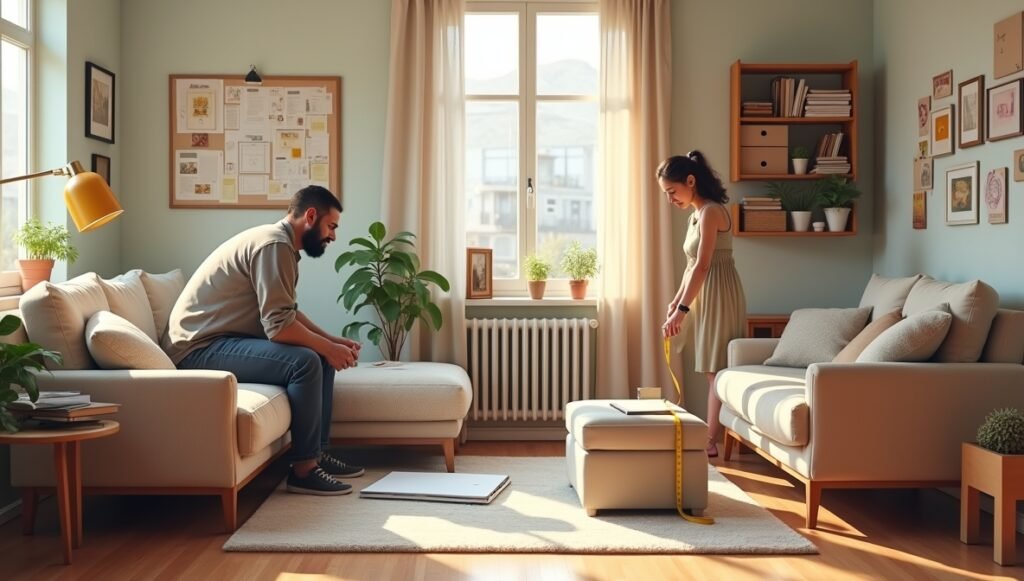
Before you buy that Instagram-worthy sectional, grab a tape measure. Knowing your room’s exact dimensions is like having a secret weapon. Sketch a floor plan (or use free apps like Room Planner) to visualize where furniture fits—and where it doesn’t. Pay attention to door swings, walkways, and natural light sources.
Pro tip: Vertical space is your best friend. Tall bookshelves or wall-mounted cabinets draw the eye upward, creating the illusion of height. Meanwhile, lightweight furniture like acrylic side tables keeps the room feeling airy. For a deeper dive into space-saving furniture ideas, check out IKEA’s Small Space Solutions, which offers genius hacks for tight quarters.
By starting with a clear plan, you’ll avoid costly mistakes and design a room that’s as functional as it is chic. Ready to get creative? Let’s move on to layout strategies that’ll make your small living room feel anything but cramped!
Part 2: Layout and Furniture Strategies
1. Opt for Multi-Functional Furniture
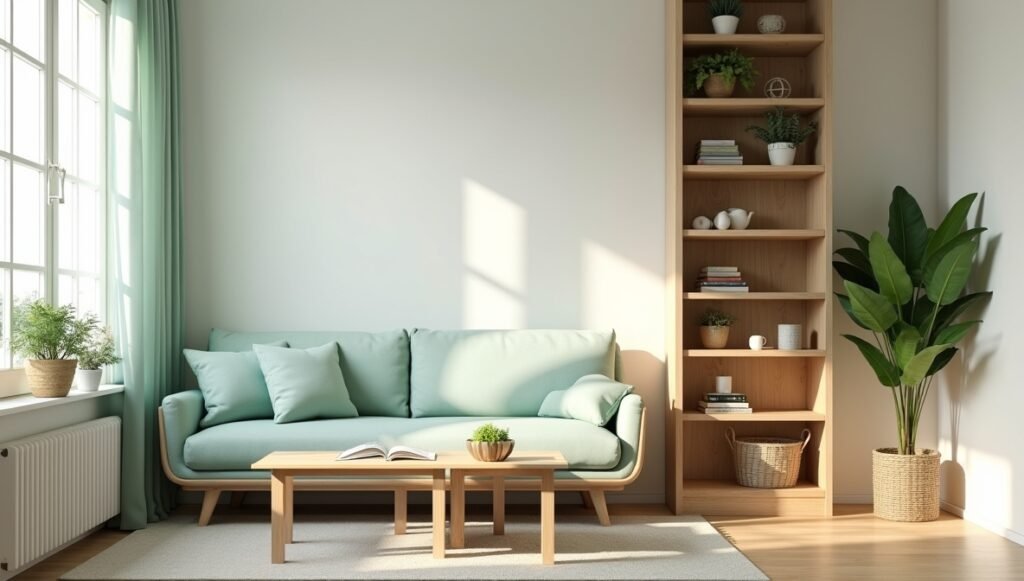
When you’re short on space, every piece of furniture needs to earn its keep. Think of your living room as a Swiss Army knife—versatility is king. Start with a sofa bed that moonlights as a guest bed or a storage ottoman that hides clutter while doubling as a coffee table. Nesting tables? They’re like Russian dolls for your decor—tuck them away when not in use, then pull them out for game night.
Brands like IKEA (hello, space-saving furniture ideas) specialize in dual-purpose designs, but don’t shy away from DIY hacks. For instance, a vintage trunk can serve as a stylish storage bench or a side table. The goal? Maximize function without sacrificing flair.
2. Embrace Vertical Space with Tall Storage
Why let walls sit idle when they can work overtime? Vertical storage is a game-changer for small apartments. Install wall-mounted shelves to display books, plants, or decor without hogging floor space. Tall, slim bookcases (like the IKEA Billy series) draw the eye upward, making ceilings feel higher. And if you’re feeling adventurous, try a vertical garden—succulents or herbs add life without clutter.
Pro tip: Use baskets or bins on upper shelves to corregate lesser-used items. This keeps things tidy and ensures your vertical storage doesn’t turn into a dusty eyesore.
3. Use Lightweight and Transparent Furniture
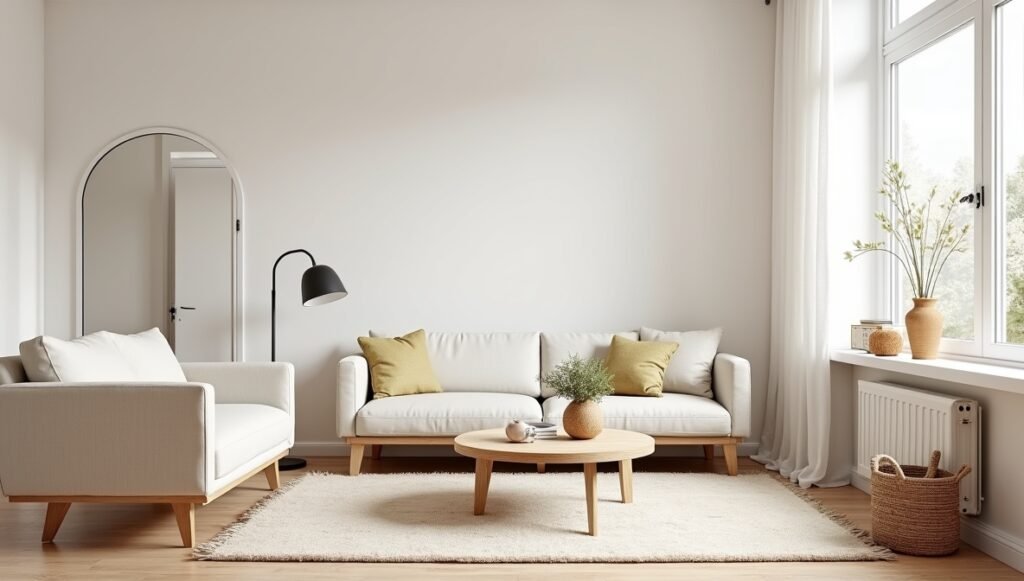
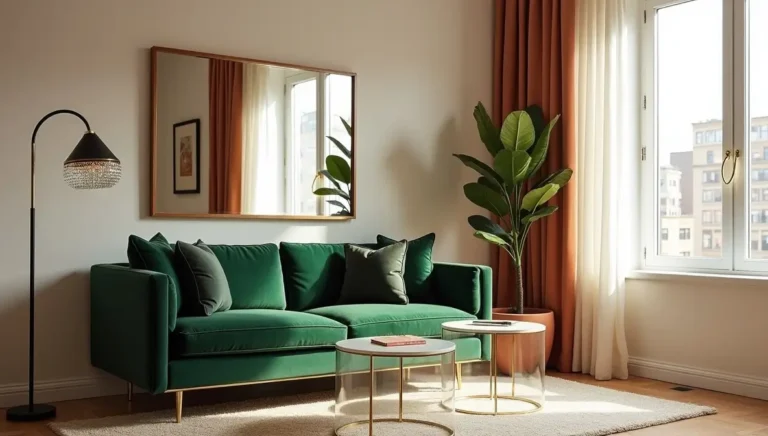
Bulky furniture can swallow a small room whole. Instead, go for pieces that visually disappear. Acrylic side tables, glass-top desks, or leggy chairs (think mid-century modern styles) create an airy vibe because they let light flow through. Even better? These pieces are easy to move when you’re craving a layout refresh.
Take it from designers: transparent furniture tricks the brain into perceiving more space. Pair a lucite coffee table with a light-colored rug, and voilà—your living room feels instantly larger.
4. Create Zones with Area Rugs
Open-concept layouts can leave small spaces feeling chaotic. The fix? Define zones with area rugs. A rug under your sofa anchors the seating area, while a smaller one by the window creates a cozy reading nook. Stick to low-pile rugs in light hues to maintain that airy ambiance.
But here’s the twist: Layer rugs for texture. Try placing a jute rug under a colorful vintage kilim—this adds depth without overwhelming the room. Just keep patterns subtle to avoid visual clutter.
5. Floating Furniture for Open Flow
Pushing all your furniture against the walls? That’s so 1990s. Instead, float your sofa or chairs a few inches away from the walls. This creates a sense of flow and makes the room feel less boxed-in. Pair this with a round coffee table to soften sharp corners and improve traffic paths.
For example, position your sofa perpendicular to a window, leaving a walkway behind it. Add a slim console table against the sofa’s back for extra surface space—perfect for lamps or decor. Suddenly, your cramped living room feels like a sprawling loft (well, almost).
Color, Lighting, and Illusion (Foundations)
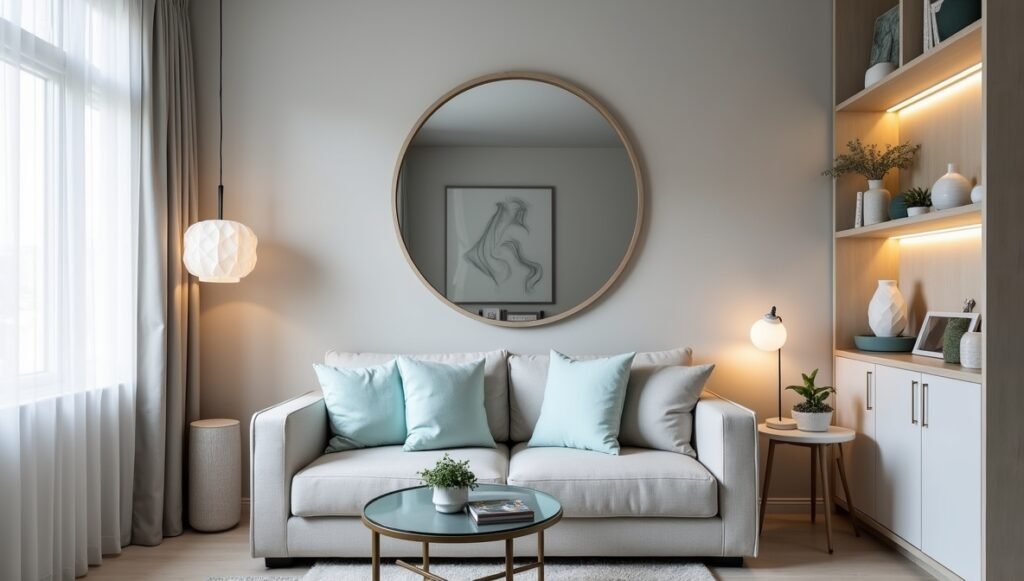
6. Light Colors for Airy Ambiance
First impressions matter, and in small spaces, color sets the tone. Stick to soft neutrals like whites, creams, or pale grays for walls and large furniture—these shades reflect light, making rooms feel open and airy. But don’t mistake “light” for “boring.” Add depth with a monochromatic scheme: think ivory walls paired with a beige sofa and oatmeal throw pillows.
Pro tip: If you’re craving color, use pastel accents—mint green cushions or blush pink curtains—to keep the vibe breezy. For inspiration, Sherwin-Williams’ guide on the best paint colors for small rooms highlights hues like Alabaster (a warm white) and Rainwashed (a serene blue-green).
7. Strategic Mirrors to Amplify Light
Want to double your space without knocking down walls? Hang a large mirror opposite a window to bounce natural light around the room. Not a fan of basic rectangles? Try a sunburst mirror for boho flair or a grid of smaller mirrors for a modern gallery wall effect.
Placement matters: Position mirrors near light sources (lamps, candles, or windows) to maximize their light-reflecting superpowers. And if your room lacks windows, use a floor-length mirror leaned against a wall to fake the illusion of a doorway.
8. Layered Lighting for Depth
Overhead lighting alone? That’s like serving plain toast for dinner—functional but forgettable. Layer your lighting to create warmth and dimension:
- Ambient lighting: Start with ceiling fixtures or plug-in wall sconces.
- Task lighting: Add table lamps for reading or a sleek floor lamp by the sofa.
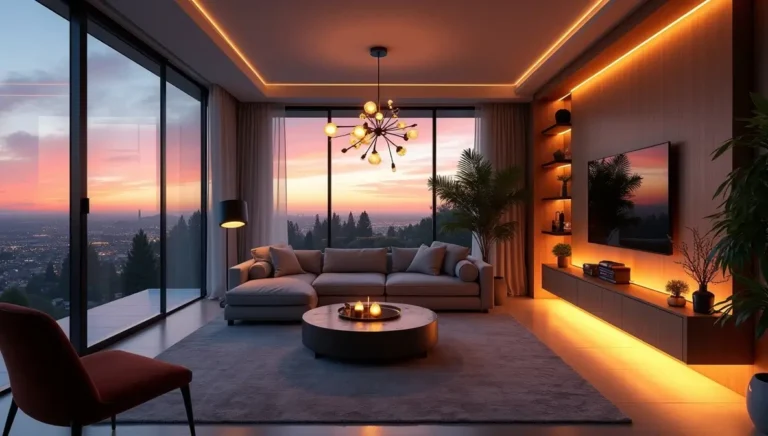
- Accent lighting: Highlight decor with string lights, LED strips under shelves, or a statement pendant light.
For example, pair a dimmable overhead light with a brass task lamp and a few tea lights on the coffee table. This combo lets you adjust the mood from “morning coffee” to “Netflix marathon” in seconds.
9. Accent Walls to Add Depth
Who says small rooms can’t handle drama? An accent wall adds personality without closing in the space. Opt for vertical stripes in soft tones (like pale gray and white) to draw the eye upward, creating the illusion of height. Alternatively, use textured panels—think grasscloth wallpaper or reclaimed wood—to add tactile interest.
But here’s the twist: Keep the accent wall subtle. A bold geometric mural might overwhelm the room, while a muted ombré effect feels sophisticated. For renters, removable peel-and-stick wallpaper is a game-changer—experiment with patterns guilt-free!
10. Sheer Curtains for Natural Light
Heavy drapes might look luxe, but they’re space saboteurs in small living rooms. Swap them for sheer or semi-sheer curtains that let sunlight flood in while maintaining privacy. Choose light-colored fabrics like linen or voile to keep the vibe airy.
Pro tip: Mount curtains higher and wider than the window. This tricks the eye into thinking the window (and room) is larger than it is. Pair this with layered lighting techniques (like those from The Spruce’s lighting guide) to balance natural and artificial light seamlessly.
For a modern twist, try curtains with subtle textures—like embroidered dots or barely-there stripes. And if you need blackout options? Install a double rod: sheer curtains in front and blackout panels behind. Best of both worlds!
Part 4: Storage and Organization Hacks (Built-In & Hidden Solutions)
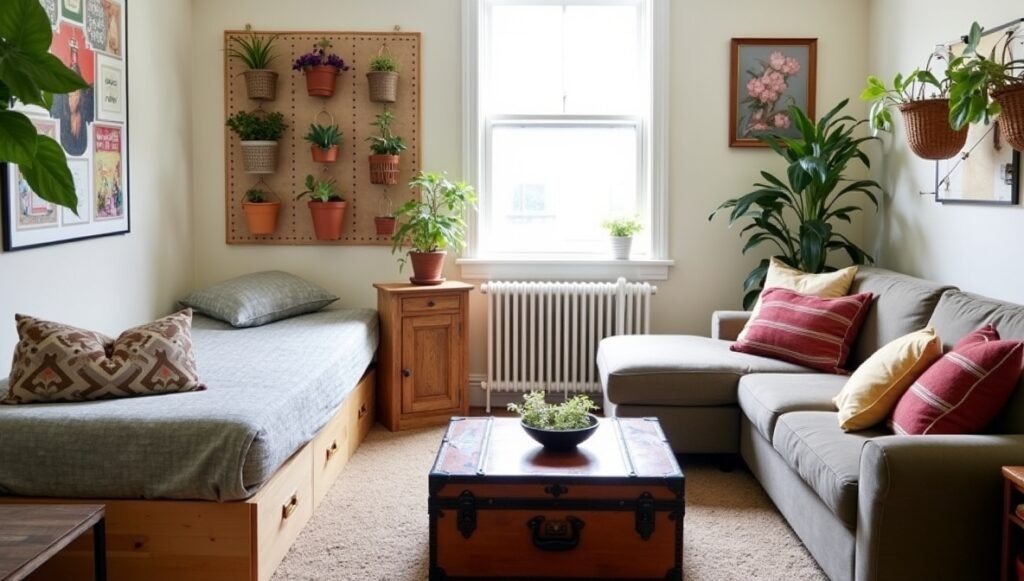
11. Hidden Storage Solutions
Out of sight, out of mind—and out of the way! Turn everyday furniture into stealthy storage heroes. A storage ottoman can stash blankets, board games, or even shoes. Hollow benches at the foot of your sofa? Perfect for hiding seasonal decor. Even your coffee table can pull double duty—opt for one with lift-up compartments or drawers for remotes and magazines.
For a DIY twist, repurpose a vintage suitcase as a side table with hidden storage. Add casters to the bottom, and you’ve got a movable masterpiece. Pro tip: Use under-sofa bins (slim enough to slide beneath) to tuck away bulky items like extra pillows or pet toys.
12. Declutter with Built-In Shelving
Built-in shelves are the holy grail of small-space storage. They hug walls seamlessly, saving floor space while offering display and storage real estate. Custom units can be tailored to awkward nooks (like above doorways or beside radiators), but modular shelving systems like IKEA’s BESTÅ work wonders for renters.
Style them wisely: Use closed cabinets at the bottom for unsightly items (think cables or cleaning supplies) and open shelves above for books, plants, or art. Add baskets or fabric bins to corral smaller items like charging cords or craft supplies. For inspiration, check out IKEA’s space-saving furniture ideas to mix function and flair.
13. Dual-Purpose Furniture with Storage
Why settle for furniture that only does one job? Dual-purpose designs are the unsung heroes of small spaces. Think beds with built-in drawers, coffee tables that lift into desks, or benches with hidden compartments. For instance, a storage bed can hold off-season clothing, while a nesting coffee table with shelves keeps remotes and coasters within arm’s reach.
Even better? Modular furniture like stackable cubes or ottomans that form a sofa. These pieces adapt to your needs—today’s footrest becomes tomorrow’s guest seating. Brands like IKEA (hello again, space-saving furniture ideas) offer sleek options that blend seamlessly into modern decor.
14. Over-the-Door Organizers
Doors aren’t just for entering rooms—they’re prime real estate for storage! Hang an over-the-door organizer with pockets for shoes, accessories, or cleaning supplies. In the living room, use one to store magazines, tech gadgets, or craft supplies. For a polished look, choose a fabric organizer in neutral tones rather than bulky plastic versions.
Bonus hack: Install a door-mounted rack for hanging plants or lightweight decor like framed photos. It’s a quirky way to add personality while keeping floors clutter-free.
15. Foldable and Collapsible Items
When space is tight, flexibility is key. Foldable furniture—like wall-mounted desks that drop down or dining tables that tuck against the wall—lets you reclaim square footage in seconds. Collapsible baskets or silicone bins are perfect for stashing toys, blankets, or groceries, then flattening them when not in use.
Pro tip: Keep a foldable tray table leaned against the wall. It can serve as a laptop stand, breakfast tray, or impromptu bar cart when friends visit.
Part 5: Decor and Personalization
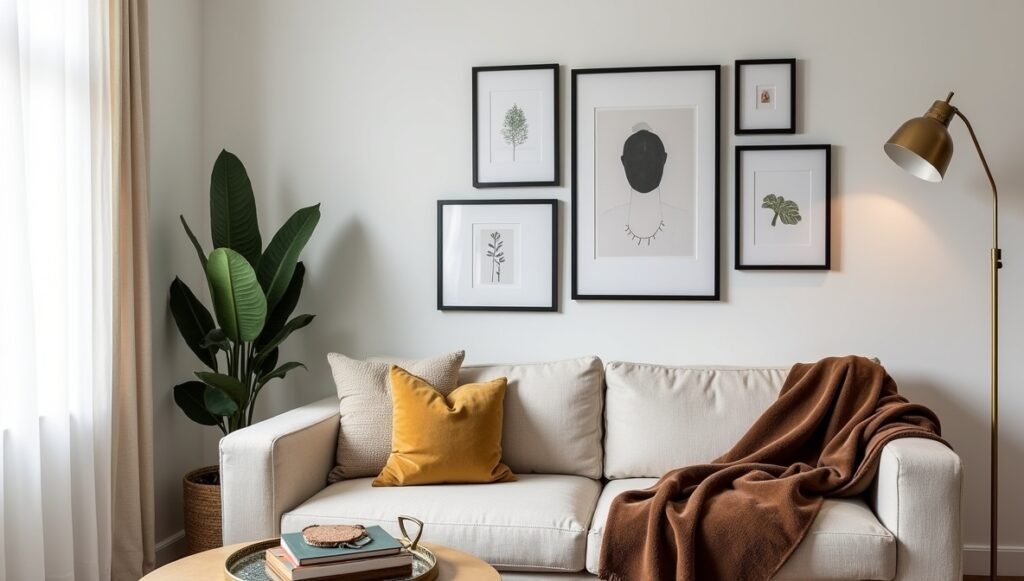
16. Minimalist Decor Philosophy
Less is more—but that doesn’t mean boring. A minimalist approach in small spaces means curating decor that sparks joy while avoiding clutter. Start by editing your knickknacks: keep a few statement pieces (like a sculptural vase or a bold lamp) and ditch the rest. Stick to a cohesive color palette—think soft neutrals with pops of muted sage or terracotta—to create visual harmony.
Pro tip: Use negative space strategically. A blank wall or an empty corner can make the room feel larger, so don’t rush to fill every inch. For inspiration, check out Marie Kondo’s tidying principles—though we won’t judge if you keep that quirky llama figurine.
17. Add Personality with Gallery Walls
Who says small walls can’t make a big statement? A gallery wall lets you showcase your style without hogging floor space. Mix and match framed art, mirrors, and even small shelves for a dynamic display. Keep frames slim (hello, floating frames) and spacing consistent to avoid a cluttered look.
Renter-friendly hack: Use Command strips or washi tape to hang lightweight pieces. No nails, no fuss! For a modern twist, try a grid layout with identical frames or a salon-style mix of vintage and abstract art.
18. Plants for Freshness and Scale
Plants are the ultimate small-space cheat code. They add life, purify air, and trick the eye into perceiving height. Opt for low-light varieties like snake plants, pothos, or ZZ plants—they’ll thrive even in dim corners. Place them on floating shelves, in hanging planters, or atop tall bookcases to draw the eye upward.
Fun fact: A large floor plant (like a fiddle leaf fig) in a corner can make ceilings feel taller. Pair it with a mid-sized plant on a side table and a tiny succulent on the windowsill for layered greenery.
19. Textiles for Warmth and Texture
Cozy doesn’t have to mean cramped. Layer textiles to add warmth and depth without overwhelming the space. Start with a neutral rug (jute or sisal works wonders), then pile on knit throws and velvet cushions in complementary tones. For a luxe touch, drape a faux fur blanket over the sofa.
Pro tip: Stick to lightweight fabrics like linen or cotton for curtains and upholstery. They’re breathable and won’t visually weigh down the room.
20. Reflective Surfaces for Brightness
Mirrors aren’t the only way to bounce light! Incorporate reflective surfaces like metallic accents, glossy furniture, or mirrored trays. A brass side table or a high-gloss console adds a touch of glam while amplifying natural and artificial light.
For a subtle glow, try metallic-framed art or a glass coffee table with a mirrored base. Just avoid going full disco ball—a little shine goes a long way.
21. Scale Down Art and Decor
Oversized art can dominate petite walls, but smaller pieces create intimacy. Cluster tiny artworks in a grid formation or lean a small painting on a floating shelf. Balance proportions by pairing a large mirror with a gallery of mini frames.
Renter’s secret: Use removable adhesive hooks to test layouts before committing.
Part 6: Budget and Rental-Friendly Tips
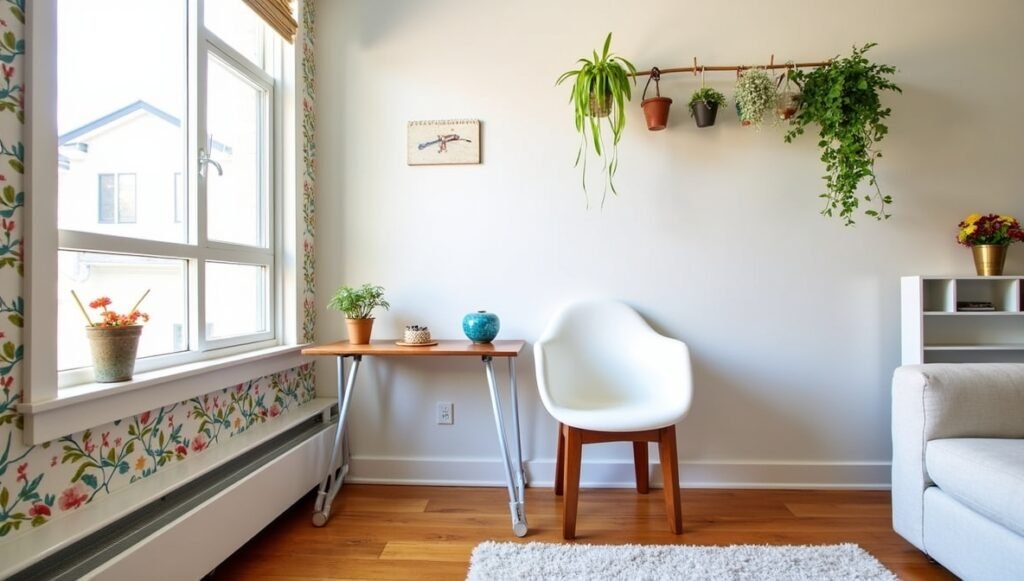
22. Removable Wallpaper and Decals
Who says renters can’t have fun with patterns? Peel-and-stick wallpaper lets you go bold without the commitment. Try geometric designs or faux textures like concrete or linen for a luxe-but-temporary upgrade. Best part? When you move out, it comes off cleaner than a bandage! For subtle flair, use decorative decals on doors or cabinets—think botanical motifs or minimalist line art.
Pro tip: Test a small section first to avoid adhesive mishaps. And if you’re craving color inspiration, Sherwin-Williams’ guide on the best paint colors for small rooms offers hues that pair perfectly with temporary walls.
23. Thrifted and Upcycled Finds
One person’s trash is your treasure trove! Scour thrift stores, flea markets, or Facebook Marketplace for unique pieces—think vintage lamps, mid-century side tables, or quirky frames. A fresh coat of paint or new hardware can turn a $20 dresser into a showstopping media console.
For a playful twist, upcycle old items: Turn a ladder into a bookshelf, or transform crates into modular storage. Even IKEA basics (like the iconic KLIPPAN sofa) can be jazzed up with DIY slipcovers or legs.
24. Affordable Space-Saving Hacks
You don’t need deep pockets to maximize space. Tension rods under the sink corral cleaning supplies, while pegboards turn empty walls into tool or decor organizers. Adhesive hooks? Perfect for hanging plants or lightweight art.
For furniture that won’t break the bank, explore IKEA’s space-saving furniture ideas, like the LACK wall shelf or RÅSKOG cart. Bonus: Repurpose a $10 stool as a side table or plant stand—versatility on a dime!
25. Swap Bulky Furniture for Slim Alternatives
Ditch the hulking armchair for a sleek, armless model. Swap a chunky media console for a floating shelf system. Slimmer profiles mean more breathing room—and a cleaner aesthetic.
Pro tip: Look for furniture with legs (mid-century style!) to create an airy, lifted feel. Even your TV can get in on the action—mount it on the wall to free up precious console space.
Part 7: Advanced Small Space Solutions
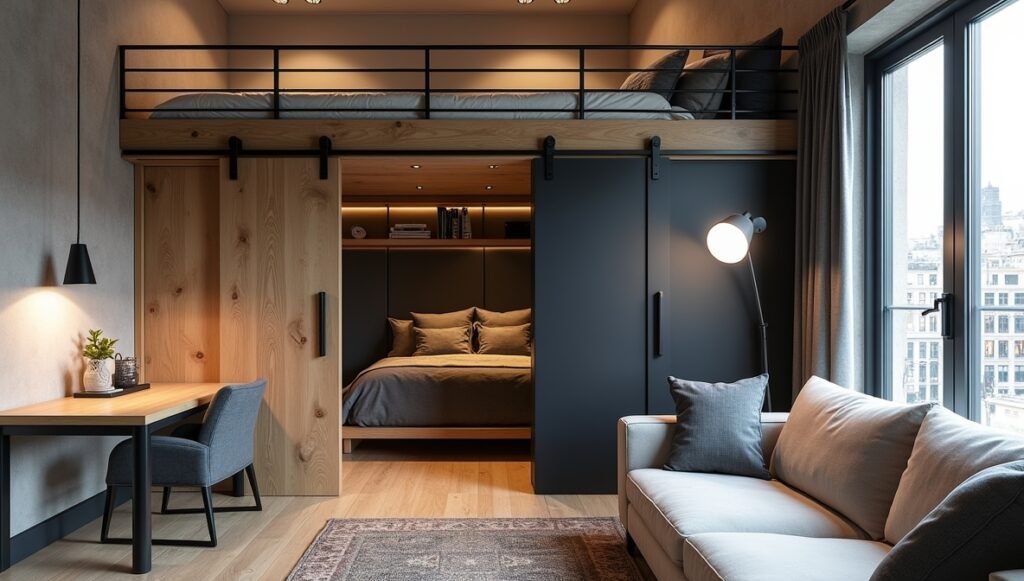
26. Lofted or Murphy Beds
Why let your bed hog precious floor space? Lofted beds are a game-changer for studio apartments or shared spaces. Tuck a desk, sofa, or even a cozy reading nook underneath to maximize every inch. For instance, a lofted twin bed with a built-in desk transforms a cramped corner into a work-sleep sanctuary.
Not into climbing ladders daily? Enter the Murphy bed—a foldable marvel that disappears into the wall by day. Pair it with a sleek console table that doubles as a bedside surface when the bed is down. Brands like IKEA offer DIY-friendly wall beds, but for renters, freestanding Murphy bed frames (no drilling required!) are a life-saver.
Pro tip: Use lightweight bedding (think linen or cotton) to make folding and tucking easier. Add under-bed storage bins for pajamas or extra sheets.
27. Sliding Doors or Room Dividers
Traditional swinging doors eat up space faster than a cookie monster at a bake sale. Sliding barn doors or pocket doors are sleek alternatives that glide along a track, freeing up floor area. For a budget-friendly hack, hang a curtain rod with floor-to-ceiling drapes to separate zones—bonus points for sheer fabrics that keep the room airy.
Alternatively, room dividers like folding screens, open bookshelves, or even a tall plant trio (hello, fiddle leaf fig!) create privacy without walls. For example, a mid-century folding screen adds retro flair while hiding a home office nook.
Need inspiration? The Spruce’s guide on layered lighting techniques pairs perfectly with these solutions—strategic lighting can make divided zones feel cohesive.
FAQs
1. How can I make my small living room look bigger?
Great question! Start with light-colored walls and furniture to reflect light, then add strategic mirrors to amplify the illusion of space. Multi-functional furniture (like storage ottomans or nesting tables) keeps clutter at bay, while floating furniture layouts improve flow. Don’t forget layered lighting—ambient, task, and accent lights work together to create depth. For more tips, revisit Part 3 on color and lighting hacks!
2. What colors are best for small living rooms?
Stick to soft neutrals like whites, creams, or pale grays for walls and large furniture—they make rooms feel airy. Add subtle contrast with pastel accents (mint green, blush pink) or a monochromatic scheme. Dark colors? Use them sparingly on accent walls or decor. Need inspiration? Sherwin-Williams’ guide on the best paint colors for small rooms is a goldmine.
3. How do I arrange furniture in a small apartment?
Float, don’t shove! Avoid pushing everything against walls. Instead, create zones with area rugs (e.g., seating vs. workspace) and use lightweight furniture like acrylic tables or leggy chairs. Prioritize traffic flow—leave 18-24 inches for walkways. For visual tricks, lean into vertical storage and transparent furniture to keep the space feeling open.
4. Can I use dark colors in a small living room?
Absolutely! Dark hues like navy or charcoal can add drama and coziness—if used strategically. Paint a single accent wall, or incorporate dark tones through decor (think cushions, art, or a moody rug). Just balance them with ample lighting and reflective surfaces (mirrors, metallic accents) to avoid a cave-like vibe.
5. What furniture should I avoid in small spaces?
Steer clear of bulky sectionals, oversized coffee tables, and heavy, floor-length drapes. These eat up visual and physical space. Instead, opt for slim, multi-functional pieces like armless chairs, nesting tables, or wall-mounted shelves. Still stuck? Check out Part 2 for layout-saving furniture picks!
Conclusion
Small apartment living room decor isn’t just about surviving tight spaces—it’s about thriving in them. By now, you’ve got a toolbox of 27 clever ideas to transform your compact living area into a stylish, functional haven. Let’s recap the essentials:
Start with the basics: Measure your space, prioritize multi-functional furniture, and embrace vertical storage to maximize every inch. Lighten things up with soft color palettes and strategic mirrors to create the illusion of space. Then, layer in personality with gallery walls, textured textiles, and lush plants that breathe life into your decor.
Don’t forget the power of hidden storage hacks and rental-friendly upgrades—like peel-and-stick wallpaper or foldable furniture—to keep your space adaptable and clutter-free. And if you’re feeling bold, lofted beds or sliding doors can take your small-space game to the next level.
The secret sauce? Balance. Mix practicality with playfulness, and let your decor reflect your vibe. Whether you’re a minimalist at heart or a maximalist in disguise, small spaces reward creativity. So, pick one idea (maybe that storage ottoman you’ve been eyeing) and start there.
Remember, Rome wasn’t decorated in a day—take your time, experiment, and tweak as you go. Your cozy, clutter-free living room is just a few tweaks away. Now, go show that small space who’s boss! 🛋️✨