25 Genius Small Dining Room Ideas to Transform Your Space
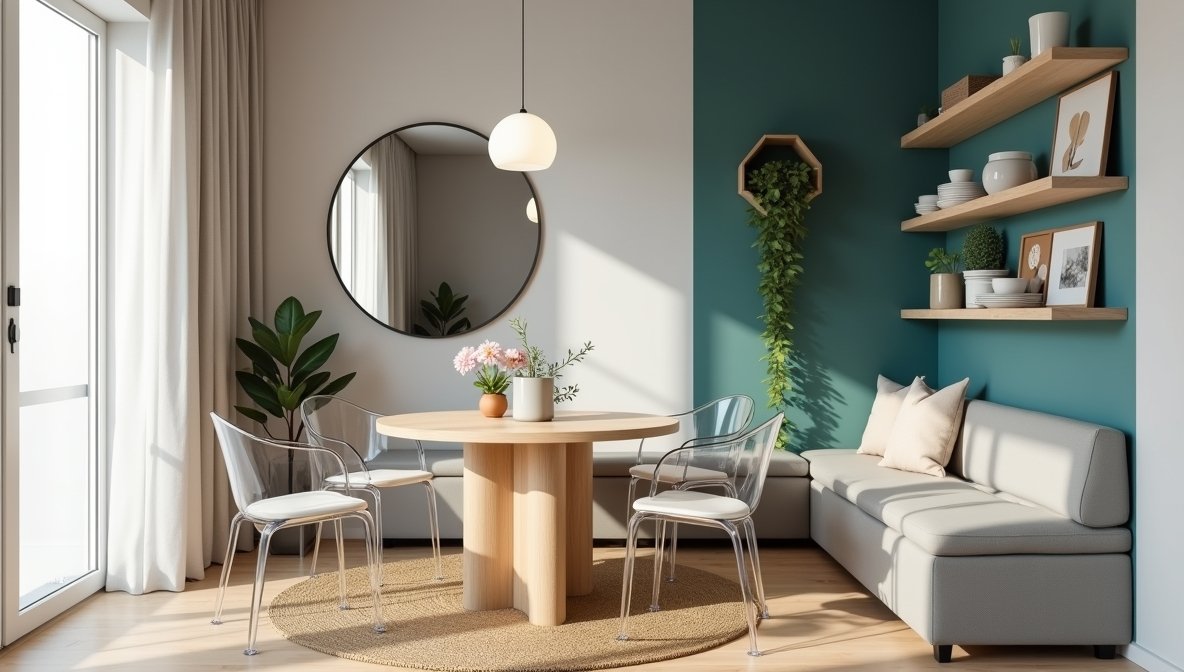
Let’s face it: small dining rooms can feel like a puzzle. But here’s the kicker—limited square footage doesn’t mean sacrificing style or function. In fact, cozy spaces often spark the most creativity! Whether you’re squeezing a breakfast nook into a studio or revamping a cramped corner, this guide dishes out 25 genius ideas to turn your compact dining area into a chic, functional haven. From space-saving furniture hacks to lighting tricks that create illusions of space, we’ll explore how to maximize every inch. Ready to think big about small spaces? Let’s dig in!
Introduction to Small Dining Room Design
Why Small Dining Rooms Deserve Big Attention
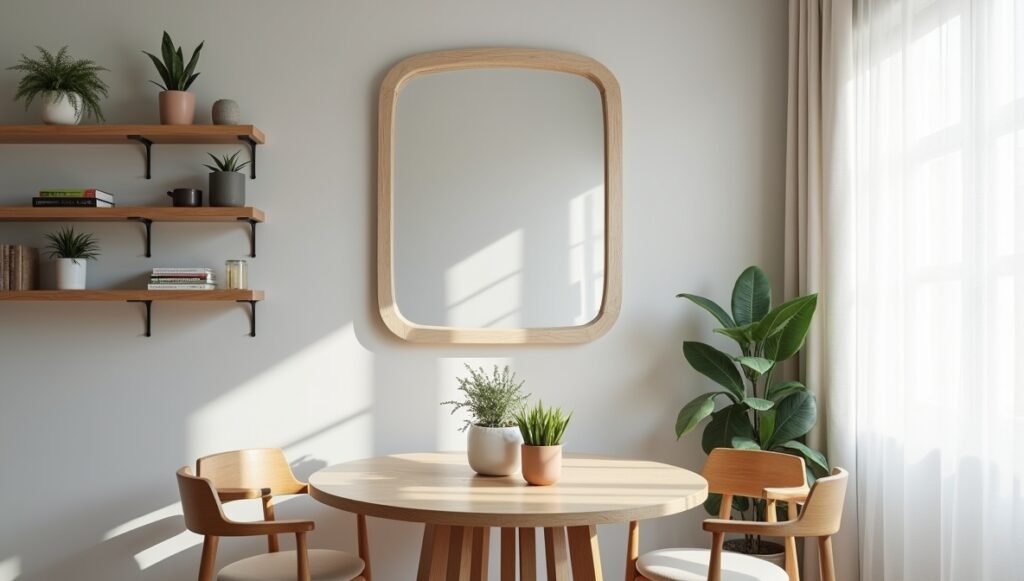
Small dining rooms? Oh, they’re the unsung heroes of modern homes! With urban living spaces shrinking faster than a cheap cotton shirt, maximizing functionality has become non-negotiable. But here’s the twist: compact dining areas aren’t just about squeezing in a table and chairs. They’re about blending smart design with personality—think of them as the Swiss Army knives of home decor.
For starters, open-concept layouts and studio apartments have skyrocketed in popularity. Yet, carving out a dedicated spot for meals remains a priority. After all, who wants to eat dinner hunched over a coffee table? Small dining rooms challenge us to rethink storage, seating, and even color palettes. But don’t sweat it! With the right strategies—like multi-functional furniture or vertical storage—these spaces can punch way above their weight.
Meanwhile, trends like minimalist decor and Scandinavian-inspired design are breathing new life into tiny areas. Light-colored walls, for instance, aren’t just a safe choice—they’re a secret weapon to enhance brightness and create openness. And let’s not forget mirrors! A well-placed mirror can double the visual space, making even a closet-sized dining nook feel airy.
But hold on—before you rush to buy a foldable table or acrylic chairs, take a breath. Success starts with planning. (Psst! For a deep dive into small space design principles, check out Apartment Therapy’s expert tips.) Assess your needs, measure twice, and remember: small dining rooms aren’t limitations. They’re opportunities to get clever, cozy, and downright creative.
Pre-Planning Your Small Dining Room Transformation
Assessing Your Space and Needs
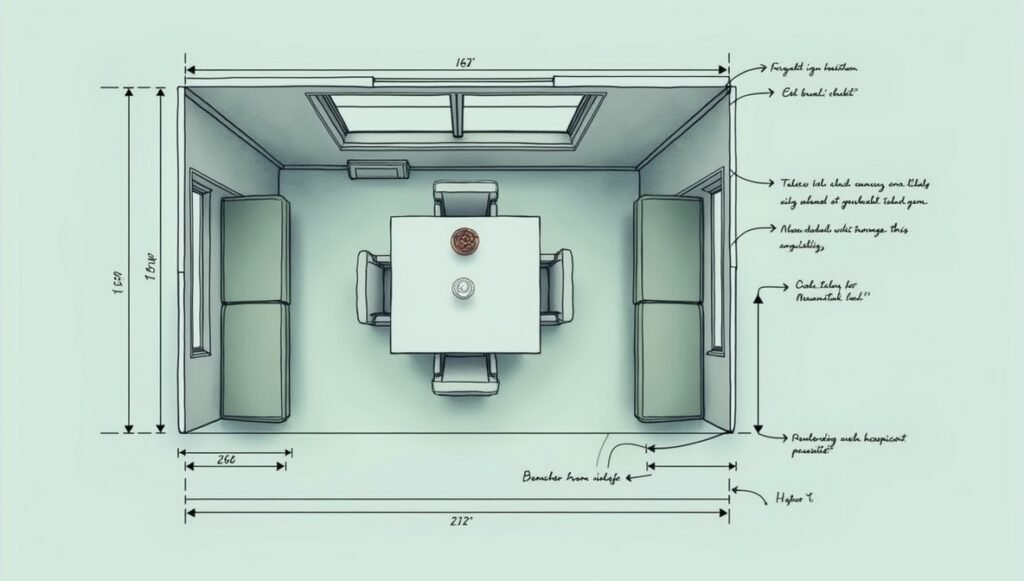
Let’s get real: small dining rooms demand a game plan. Before you dive into buying that trendy bistro set or floating shelves, grab a tape measure. Space constraints mean every inch counts—literally. Start by measuring your room’s length, width, and ceiling height. Jot down awkward corners, door swings, or vents that could cramp your style.
Ask yourself: How many people do I need to seat regularly? If it’s just two, a compact table might suffice. But if you’re hosting weekly family dinners, bench seating or an extendable table could save the day. Next, think beyond meals. Will this space double as a home office or kids’ craft zone? Multipurpose use calls for flexible furniture that won’t hog the spotlight.
Here’s the kicker: traffic flow is king. Leave at least 36 inches between the table and walls for comfy movement. And don’t forget vertical space! Tall ceilings? Vertical storage like floating cabinets or shelving units can stash dishes without eating up floor real estate. (Pro tip: For a foolproof guide on choosing the right dining table size, Houzz breaks it down beautifully.)
Setting a Budget for Your Project
Money talks, but it doesn’t have to shout. Whether you’re ballin’ on a budget or splurging on statement pieces, prioritize wisely. Budget-friendly solutions like DIY wall-mounted tables or thrifted acrylic chairs can deliver big impact without breaking the bank. Meanwhile, high-end investments—think custom-built banquettes or smart lighting systems—offer long-term value for frequent entertainers.
Break your budget into categories:
- Furniture (40%): Focus on multi-functional heroes like storage benches or drop-leaf tables.
- Lighting (20%): A bold pendant light can elevate the vibe without costing a fortune.
- Decor (15%): Mirrors, plants, and rugs add personality on a dime.
- Contingency (25%): Because Murphy’s Law loves home makeovers.
On the flip side, don’t skimp on ergonomic seating—your back will thank you later. And remember: Small spaces often benefit from fewer, higher-quality items rather than clutter. For budget-friendly decorating tips, The Spruce serves up genius hacks that’ll stretch your dollars.
25 Genius Small Dining Room Ideas
1. Opt for a Round or Oval Table
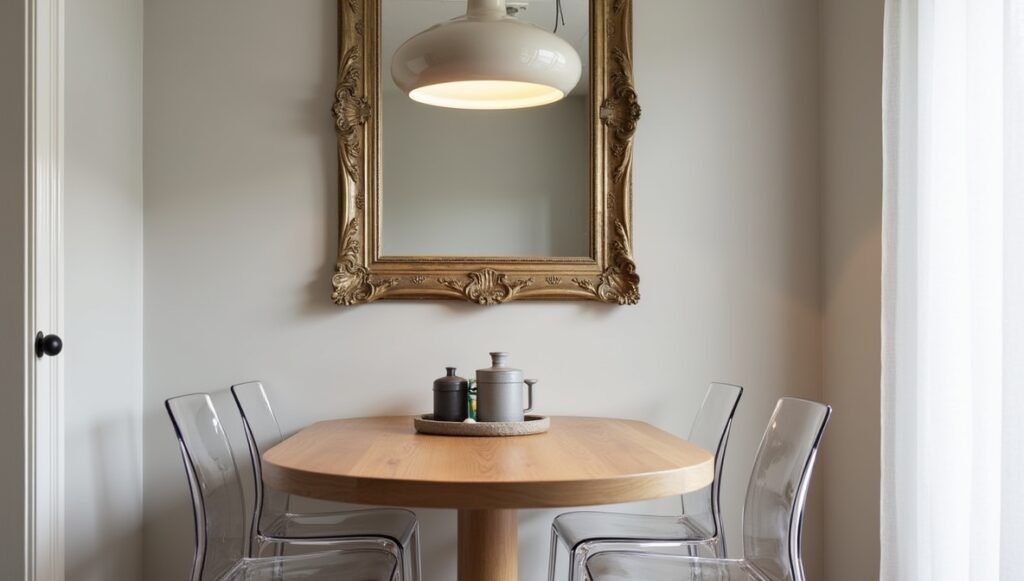
Round tables are space-saving gems! They eliminate sharp corners, improve traffic flow, and create a cozy vibe for conversations. Pair with armless chairs to tuck neatly underneath. For tight spaces, try a pedestal base—it frees up legroom and adds a mid-century flair.
2. Use Wall-Mounted or Foldable Tables
Foldable tables are perfect for studio apartments—flip them down for meals and stash them away after. Wall-mounted designs like drop-leaf tables add industrial charm. (Psst! Houzz’s guide to choosing the right dining table size includes genius space-saving options.)
3. Bench Seating Along Walls
Swap bulky chairs for a built-in bench with hidden storage. It’s a triple win: saves space, adds seating, and hides clutter. Add cushions in weather-resistant fabric for durability, and style with throw pillows for a pop of color.
4. Mirrors to Create Illusion of Space
Hang a large mirror opposite a window to double natural light and visually expand the room. Try a sunburst design for boho vibes or a sleek floor-to-ceiling mirror for modern minimalism.
5. Light-Colored Walls and Ceilings
Soft neutrals like ivory, pale gray, or blush pink reflect light and make walls recede. For depth, paint trim a shade lighter than walls. Not into white? Sage green or sky blue can work wonders too!
6. Vertical Storage Solutions
Floating shelves or floor-to-ceiling cabinets maximize unused wall space. Use them to display dishes, plants, or cookbooks. Corner units are ideal for awkward nooks—just add pull-out trays for easy access.
7. Multi-Functional Furniture
Convertible furniture is a game-changer. Think nesting tables, ottomans with storage, or a desk that morphs into a dining table. The key? Prioritize pieces that serve two purposes without looking clunky.
8. Statement Lighting
A bold pendant light or mini chandelier draws the eye upward, creating the illusion of height. Choose a fixture 12–18 inches smaller than your table width to keep proportions balanced.
9. Transparent Furniture (Glass/Acrylic)
See-through furniture like glass tabletops or acrylic chairs reduces visual clutter. They’re perfect for tiny rooms where every inch counts—just keep the surfaces smudge-free with a microfiber cloth!
10. Use Rugs to Define the Dining Zone
A patterned rug anchors the table and adds warmth. Pick a low-pile style for easy cleaning, and ensure it’s large enough to fit all chairs when pulled out (add 24 inches to table dimensions).
11. Opt for a Drop-Leaf Table
Drop-leaf tables are the ultimate shape-shifters! Fold down the sides for solo meals or expand them for guests. Pair with stools that slide underneath for a streamlined look.
12. Install a Banquette with Storage
A built-in banquette turns dead space into a cozy dining nook. Add drawers underneath for linens or board games. For inspo, Apartment Therapy’s small space design principles showcase stunning examples.
13. Embrace Mobile Serving Carts
Rolling carts act as portable storage for dishes, spices, or napkins. Style the top tier with a vase or candle for flair. Opt for slim, metal designs to keep things airy.
14. Hang Curtains High and Wide
Mount curtain rods near the ceiling to fake taller windows. Sheer fabrics like linen diffuse light beautifully, while blackout drapes add drama. Match curtain color to walls for a seamless look.
15. Use Nesting Tables as Sidekicks
Nesting tables stack neatly when unused and pull out as extra surfaces. Choose acrylic or metal for a lightweight feel. They’re perfect for holding appetizers or drinks during gatherings.
16. Try a Monochromatic Palette
Stick to one color family (e.g., all whites, soft grays) to visually expand the space. Add texture with a jute rug or velvet cushions to avoid a sterile vibe.
17. Install Open Shelving for Displays
Open shelves keep essentials handy and add personality. Style with a mix of functional items (plates, glasses) and decor (art, plants). Use brackets in brass or matte black for contrast.
18. Choose Armless Chairs
Armless chairs slide effortlessly under tables, saving up to 10 inches per seat. Opt for upholstered seats for comfort or transparent acrylic for a modern twist.
19. Create a Gallery Wall with Mirrors
Mix mirrors of different shapes and sizes to reflect light and add depth. Place one opposite a window to brighten dark corners. Use command strips for easy, damage-free hanging.
20. Opt for a Wall-Mounted Drop-Down Table
Fold-down tables mounted on walls are perfect for tiny kitchens or breakfast nooks. Pair with foldable chairs hung on hooks. The Spruce’s budget-friendly decorating tips include DIY hacks for this!
21. Use Sliding Doors to Save Space
Replace swinging doors with sliding barn doors or pocket doors. Glass panels maintain an open feel, while solid wood adds rustic charm. Perfect for separating dining and living areas.
22. Invest in a Convertible Island
A kitchen island on wheels with a pull-out extension can double as a dining table. Choose butcher block for durability or marble for luxe vibes. Store stools underneath when not in use.
23. Layer Lighting with Dimmer Switches
Combine recessed lights, under-cabinet LEDs, and a pendant light for layered ambiance. Install dimmers to toggle between bright task lighting and soft mood lighting.
24. Opt for a Corner Dining Nook
Transform an underused corner into a cozy nook with a triangular table or L-shaped bench. Add a pendant light overhead and cushions for comfort. Ideal for morning coffee or homework sessions.
25. Go Bold with an Accent Wall
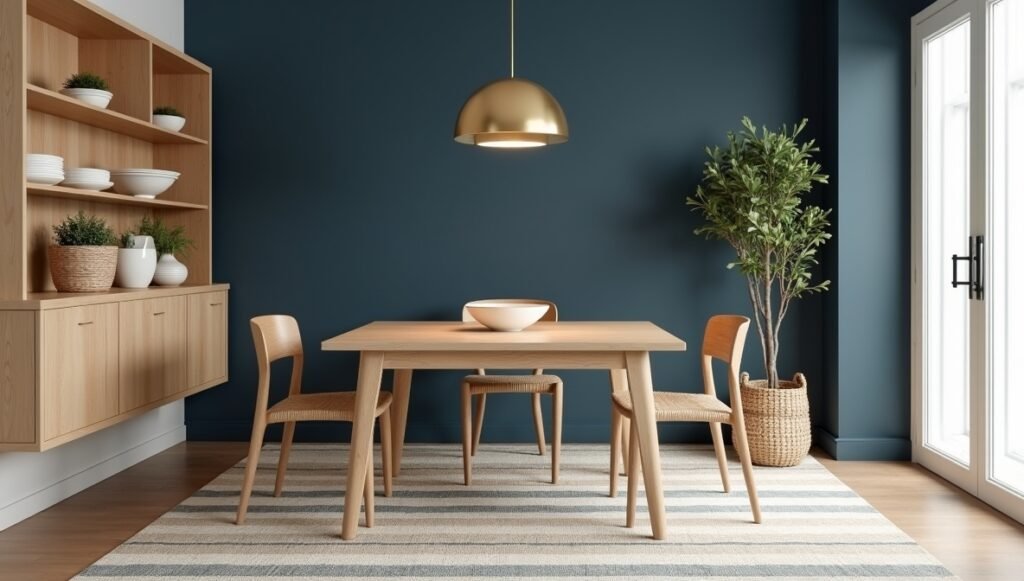
A dark accent wall in navy, emerald, or charcoal adds drama and depth. Balance it with light furniture and metallic accents. Peel-and-stick wallpaper makes renter-friendly updates a breeze!
Advanced Design Strategies
Incorporating Vertical Gardens or Greenery
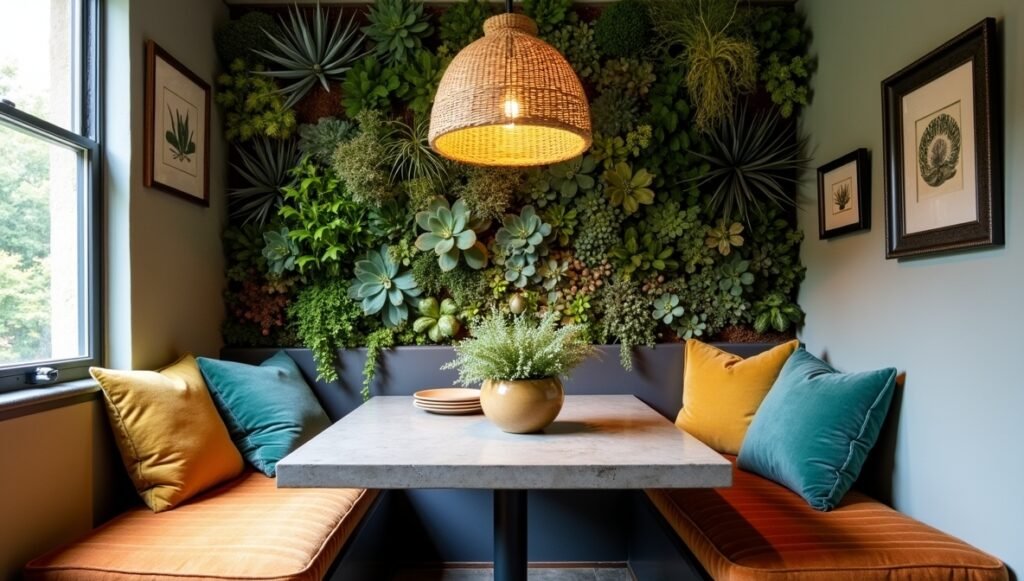
Who says small dining rooms can’t have a green thumb? Vertical gardens are a breath of fresh air—literally! Install a wall-mounted planter with herbs like basil or mint for a fragrant, functional touch. No green thumb? No worries. Faux ivy panels or air plants in geometric terrariums add life without the upkeep. For tiny spaces, try a hanging planter above the table or a slim ladder shelf stocked with succulents. Pro tip: Stick to low-maintenance plants like pothos or snake plants—they thrive in indirect light and won’t hog your weekends. (Psst! Apartment Therapy’s vertical gardening tips for small spaces are pure gold.)
Mixing Textures for Depth
Texture mixing is like a secret handshake for designers—it adds layers without clutter. Pair a sleek glass table with a chunky knit rug or woven pendant light. For chairs, combine velvet seats with metal legs, or try a wooden bench against a glossy wall. Even small touches matter: A linen table runner with metallic coasters or ceramic vases creates tactile contrast. The goal? Keep the eye dancing without overwhelming the room.
Here’s the kicker: Don’t shy away from bold materials. A concrete accent wall or brass light fixture can anchor the space, while softer elements like curtains or cushions balance the edge. Just stick to 2–3 dominant textures to avoid chaos.
Smart Use of Artwork
Art in a small dining room? Absolutely—but size and placement are key. Oversized art (think one large painting or photograph) makes a bold statement without cluttering walls. Alternatively, create a curated gallery wall with frames in varying sizes but cohesive colors. Leave 2–3 inches between frames for breathing room, and hang at eye level (57–60 inches from the floor).
For renters or commitment-phobes, removable wall decals or leaner mirrors offer flexibility. Pro tip: Match artwork colors to your decor palette—a pop of mustard in a painting can echo throw pillows or dishware. And remember: Negative space is your friend. A single piece above a bench or console table can feel intentional, not sparse.
Hidden Storage Solutions
Clutter is the enemy of small spaces—but hidden storage is the ultimate ally. Consider:
- Under-seat compartments: Lift-up benches or ottomans stash table linens, seasonal decor, or pet supplies.
- Built-in drawers: Install shallow drawers under wall-mounted tables or banquettes for cutlery or napkins.
- Fold-down tables: Opt for designs with shelves or hooks on the underside for spices or cookbooks.
Even floating shelves can double as storage—style them with baskets or decorative boxes to hide odds and ends. For a minimalist look, use magnetic strips on walls to hang knives or metal spice jars. (Houzz’s creative storage solutions for small homes has genius ideas!)
Color Schemes and Patterns
Best Paint Colors for Small Dining Rooms
Small dining rooms and bold color choices can coexist—if you play your cards right! Light-colored walls like soft whites, pale grays, or blush pinks reflect light, making the room feel airy and open. But here’s the twist: Dark hues like navy or forest green aren’t off-limits. Use them on a single accent wall to add depth without shrinking the space. For ceilings, stick to white or a shade lighter than the walls to create height.
Not sure where to start? Warm neutrals (think beige or greige) offer timeless appeal, while pastel tones like mint or lavender inject subtle personality. Test samples at different times of day—what looks cozy at noon might feel cave-like by dusk. (The Spruce’s budget-friendly decorating tips include genius hacks for nailing your palette!)
Pro tip: Paint trim and doors the same color as walls to blur boundaries and enhance cohesion. And if you’re renting? Removable wallpaper in neutral patterns lets you experiment without commitment.
Patterns That Expand Space
Patterns are like optical illusions for your walls—they can trick the eye into seeing more square footage. Horizontal stripes on a rug or wallpaper stretch the room visually, while vertical lines on curtains or paneling draw the gaze upward. For a playful vibe, try geometric prints in muted tones—hexagons or chevrons add energy without chaos.
Small-scale patterns (like dainty florals or micro-dots) work wonders on upholstery or dishware, while large-scale designs risk overwhelming the space. Pair bold patterns with solids—for example, a striped rug under a solid-colored table keeps the look balanced.
Here’s a pro move: Organic patterns (think leafy motifs or watercolor washes) add texture without rigidity. Use them on accent chairs or table linens to soften sharp lines. And don’t forget textured solids—a woven jute rug or knit throw adds depth without competing with busier elements.
The key? Stick to 2–3 patterns max and repeat colors across them. For instance, a floral curtain with hints of navy can echo a navy-striped runner on the table. This creates rhythm without randomness.
Part 6: Lighting and Ambiance
Layered Lighting Techniques
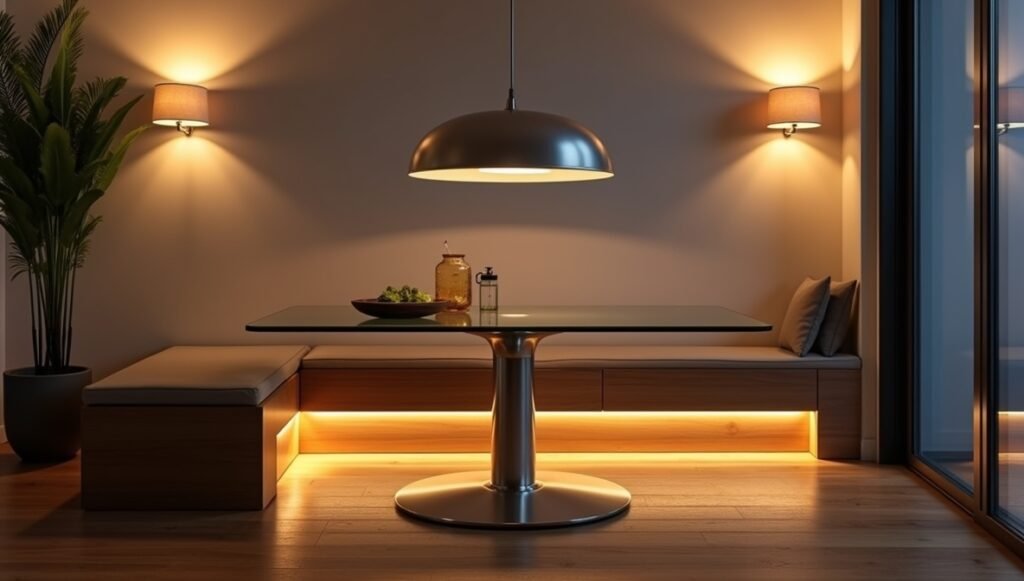
Let’s shine a light on layered lighting—the holy grail of small dining room design! Start with ambient lighting (think recessed ceiling lights or a flush mount fixture) to cast a warm, even glow. Next, add task lighting, like a pendant light over the table, to brighten meal prep or homework sessions. Finally, sprinkle in accent lighting—wall sconces or LED strips under shelves—to highlight artwork or architectural details.
Here’s the kicker: Dimmer switches let you toggle between bright brunches and moody dinners. Pair a statement chandelier with understated recessed lights for balance. And don’t forget bulb temperature! Stick to 2700K–3000K for a cozy, inviting vibe. (For more on maximizing natural light in small spaces, Apartment Therapy’s guide is a goldmine!)
Natural Light Maximization
Natural light is your best friend in a compact dining room. Swap heavy drapes for sheer curtains or Roman shades to let sunlight flood in. Place a mirror opposite windows to bounce light around the room—even a small one can work wonders. If privacy’s a concern, try frosted window film; it diffuses light while keeping prying eyes out.
For darker spaces, strategic artificial lighting can mimic daylight. Use full-spectrum bulbs in overhead fixtures, and position floor lamps near corners to eliminate shadows. Pro tip: Glass tabletops or acrylic chairs reflect light, adding brightness from below.
Flooring and Layout Tips
Choosing the Right Flooring
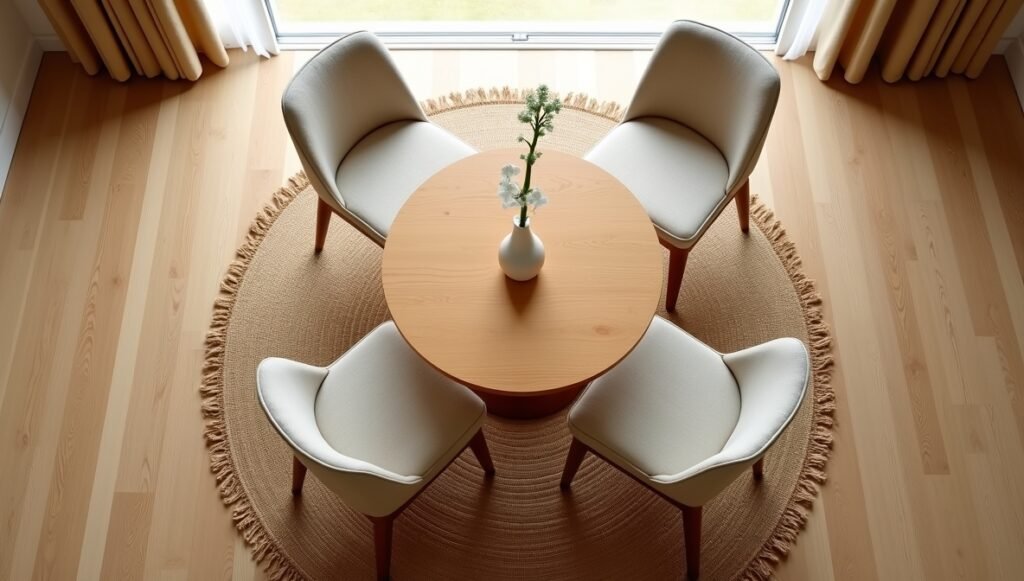
Let’s get real: Flooring can make or break a small dining room. Light-colored options like pale oak, whitewashed vinyl, or large-format tiles visually expand the space and create seamless flow with adjacent rooms. Avoid busy patterns—they chop up the floor and make the room feel cluttered. For renters, removable peel-and-stick tiles or a neutral rug layered over existing floors offer quick fixes.
Here’s a hot tip: Match your flooring to nearby rooms. If your dining nook opens into a kitchen, continue the same flooring material to blur boundaries. For warmth underfoot, try a low-pile jute rug—it’s durable, adds texture, and won’t trip up chairs.
Optimal Furniture Arrangements
Small spaces demand smart layouts. Start by centering the table if the room is square, but push it against a wall or into a corner for narrow layouts. Leave at least 36 inches between the table and walls for easy movement—nobody wants to play Tetris while carrying a casserole!
For open-concept spaces, use a rug or pendant light to define the dining zone. L-shaped benches tucked into corners maximize seating without blocking pathways. And if you’re working with a studio apartment, consider a round table—it improves traffic flow and feels less imposing than rectangular designs. (Houzz’s guide to choosing the right dining table size dives deeper into proportions!)
Pro tip: Avoid oversized furniture. A bulky hutch might look charming, but it’ll swallow the room. Instead, opt for floating shelves or a slim console table for storage.
Tech and Accessories for Small Spaces
Space-Saving Tech Gadgets
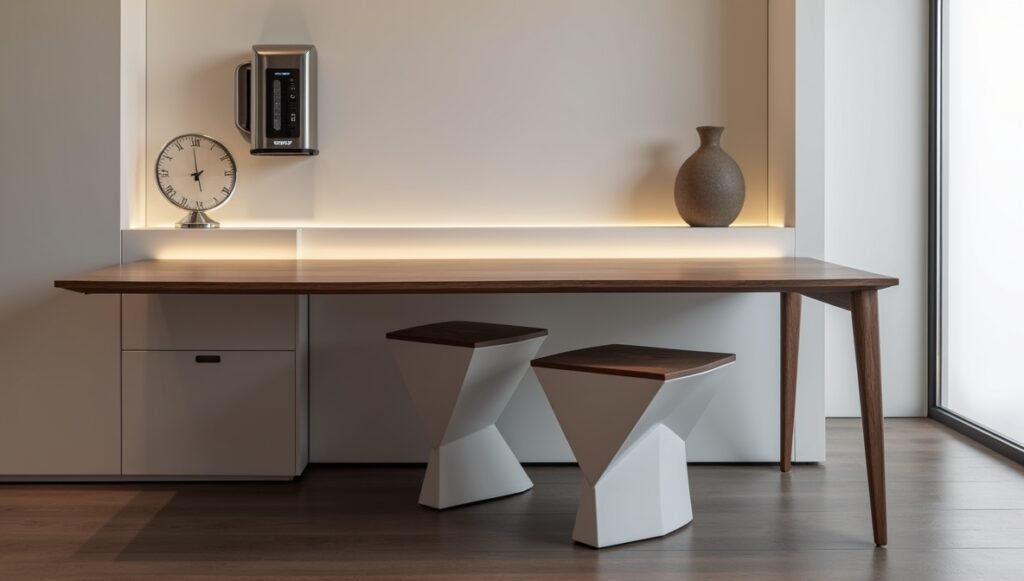
Let’s face it: tech clutter is the arch-nemesis of small dining rooms. But fear not—slimline appliances and smart gadgets are here to save the day! Opt for a wall-mounted electric kettle or a compact espresso machine that tucks into a corner. Multi-plug outlets with USB ports keep devices charged without hogging table space. For smart home lovers, a voice-controlled lighting system (like Philips Hue) lets you adjust ambiance hands-free—perfect when your hands are full of pasta bowls.
Here’s the kicker: Hidden tech is king. Use a cable management box under the table to corregate cords, or install a magnetic knife strip that doubles as a phone dock. Even appliance garages (mini cabinets for toasters or blenders) keep counters clutter-free. (Psst! The Spruce’s budget-friendly decorating tips include genius hacks for hiding tech eyesores.)
Minimalist Decor Choices
In small spaces, less truly is more. Swap knickknacks for functional decor—like a decorative tray that corrals salt shakers and napkin rings. Choose a neutral palette with 1–2 accent colors to keep the vibe cohesive. For texture, add a woven placemat or ceramic vase—they’re subtle but impactful.
Pro tip: Edit ruthlessly. Every item should earn its spot. A single statement wall clock or sculptural fruit bowl can anchor the room without fuss. And don’t forget vertical real estate—hang a floating shelf with a curated trio of plants or cookbooks.
Meanwhile, hidden storage decor is your secret weapon. Think ottomans with hollow interiors for stashing blankets or a sideboard with sliding doors to hide dinnerware. For renters, removable hooks or pegboards add functionality without damaging walls.
FAQs Section
1. How Can I Make My Small Dining Room Look Bigger?
Mirrors, light colors, and decluttering are your secret weapons! Hang a large mirror to reflect light and trick the eye into seeing double the space. Paint walls in soft neutrals like ivory or pale gray to create an airy illusion. Swap bulky chairs for slim armless designs or a glass table to reduce visual weight. Finally, keep surfaces tidy—clutter is the fastest way to make a room feel cramped. (For more light-enhancing tricks, Apartment Therapy’s guide to maximizing natural light is a must-read!)
2. What’s the Best Furniture for a Small Dining Room?
Multi-functional pieces that pull double duty! A drop-leaf table folds down for daily meals and expands for guests. Storage benches hide linens or board games, while nesting stools tuck under tables when unused. For tiny spaces, wall-mounted drop-down tables or folding chairs are lifesavers. Pro tip: Transparent furniture like acrylic chairs or glass tables keeps the room feeling open and uncluttered.
3. Are Dark Colors a Bad Choice for Small Spaces?
Not at all—dark colors can add drama and depth if used strategically. Paint a single accent wall in navy or charcoal to create focus, then balance it with light-colored furniture and metallic accents. Just avoid going all-over dark; pair deep hues with ample lighting and mirrors to prevent a cave-like vibe. (Houzz’s guide to choosing the right dining table size includes tips for balancing bold palettes!)
4. How Do I Incorporate Storage Without Clutter?
Think vertical and hidden! Install floating shelves for dishes or cookbooks, but style them sparingly (stick to 3–5 items per shelf). Use under-seat storage in benches or hollow ottomans to stash tablecloths or seasonal decor. For walls, magnetic strips hold knives or spice jars, while pegboards organize utensils artistically. The golden rule? Edit ruthlessly—if you haven’t used it in a year, it’s time to donate.
5. Can I Fit a Dining Room in a Studio Apartment?
Absolutely! Foldable furniture is your best friend here. A wall-mounted table drops down for meals and folds up post-dinner. Pair it with stackable stools hung on hooks or tucked into a corner. Alternatively, convertible kitchen islands double as prep space and dining tables. For more studio-friendly hacks, The Spruce’s budget-friendly decorating tips are packed with genius ideas.
Conclusion and Final Tips
Recap of Key Takeaways
Small dining rooms aren’t just challenges—they’re blank canvases for creativity! From space-saving furniture like drop-leaf tables and bench seating to lighting hacks that expand visual space, the possibilities are endless. Remember: Light colors and mirrors are your allies, while multi-functional pieces keep clutter at bay. Don’t shy away from bold accents or vertical storage to add personality without sacrificing function.
Above all, small spaces thrive on intentionality. Every choice—from a transparent chair to a monochromatic palette—should serve a purpose. Whether you’re revamping a studio nook or a cozy corner, the goal is to marry practicality with style.
Encouragement to Start the Project
So, what are you waiting for? Small changes pack a punch—swap out bulky chairs for a sleek bench, hang a mirror, or declutter that corner. Not ready for a full overhaul? Start with one idea and build momentum. Even a fresh coat of paint or a statement pendant light can breathe new life into your dining area.
And hey, perfection isn’t the goal. Embrace trial and error. That accent wall might look better in sage than navy, and that’s okay! For more inspiration, revisit Apartment Therapy’s small space design principles or Houzz’s dining table size guide. Now, roll up your sleeves—your dream dining space is closer than you think!