Create Your Insomnia-Busting Sanctuary: 18 Science-Backed Bedroom Upgrades
Discover 18 neuroscience-approved bedroom upgrades to crush insomnia. From circadian lighting to anxiety-soothing textures.
18 Bedroom Sanctuary Ideas for Insomnia-Busting Comfort: Transform Your Sleep Space
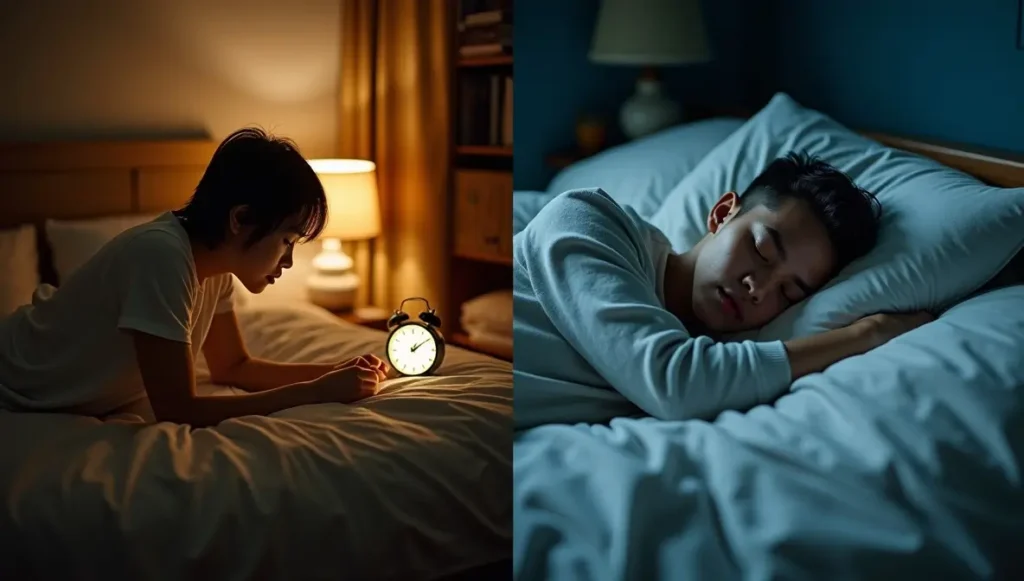
Tossing and turning night after night? You’re far from alone. Millions wrestle with insomnia, that frustrating thief of rest, leaving you drained before the day even begins. But listen up: what if the secret weapon against sleeplessness wasn’t a pill, but your very own bedroom? Absolutely! Your sleep environment – your supposed sanctuary – plays a starring, non-negotiable role in whether you drift off peacefully or wage war with the ceiling.
Table of Contents
Table of Contents
Why Your Bedroom Environment is Key to Beating Insomnia
Think about it: we spend roughly a third of our lives in bed, yet so often, our bedrooms become dumping grounds for laundry, workspaces, or entertainment hubs. No wonder sleep eludes us! Insomnia thrives on chaos and discomfort. Conversely, a bedroom intentionally crafted for tranquility sends powerful signals to your frazzled nervous system: “Hey, it’s safe here. You can finally switch off.” It’s not just about aesthetics; it’s foundational sleep hygiene. When your senses aren’t being bombarded by light, noise, clutter, or discomfort, your body stands a much better chance of surrendering to that desperately needed slumber. Essentially, transforming your bedroom into a dedicated sleep sanctuary is step zero for reclaiming your nights.
The Science Linking Sanctuary Spaces and Sleep Quality
This isn’t just fluffy advice; it’s backed by solid science. Our brains are incredibly sensitive to environmental cues. Bright light, especially blue light from screens, suppresses melatonin, that crucial sleep hormone. Noise disruptions jerk you out of precious light sleep stages. An uncomfortable mattress or wrong room temperature keeps your body in a state of low-level stress (hyperarousal), making it impossible to achieve deep, restorative sleep. Research consistently shows that optimizing the bedroom environment significantly improves sleep latency (how fast you fall asleep), sleep efficiency (time asleep vs. time in bed), and overall sleep quality, especially for those battling insomnia. Think of your bedroom as the ultimate cocoon for resetting your circadian rhythm.
What to Expect in This Guide
Ready to ditch the counting sheep and build your insomnia-busting oasis? This comprehensive guide dives deep into 18 powerful, actionable sanctuary ideas. We’ll move beyond the obvious, exploring everything from mastering blackout solutions and thermoregulation tactics to harnessing the power of calming color palettes, weighted blankets, soundscaping, and even biophilic design. Whether you’re dealing with stress-induced sleeplessness, frequent awakenings, or simply can’t switch off, you’ll find strategies tailored for real results. We’ll cover foundational upgrades, sensory tweaks, lifestyle shifts, and even advanced enhancements – consider this your blueprint for creating a bedroom that actively promotes deep, uninterrupted sleep. Let’s begin your journey from frazzled to fully rested!
Part 2: The Sleep Sanctuary Blueprint
Understanding the Pillars of an Insomnia-Busting Bedroom
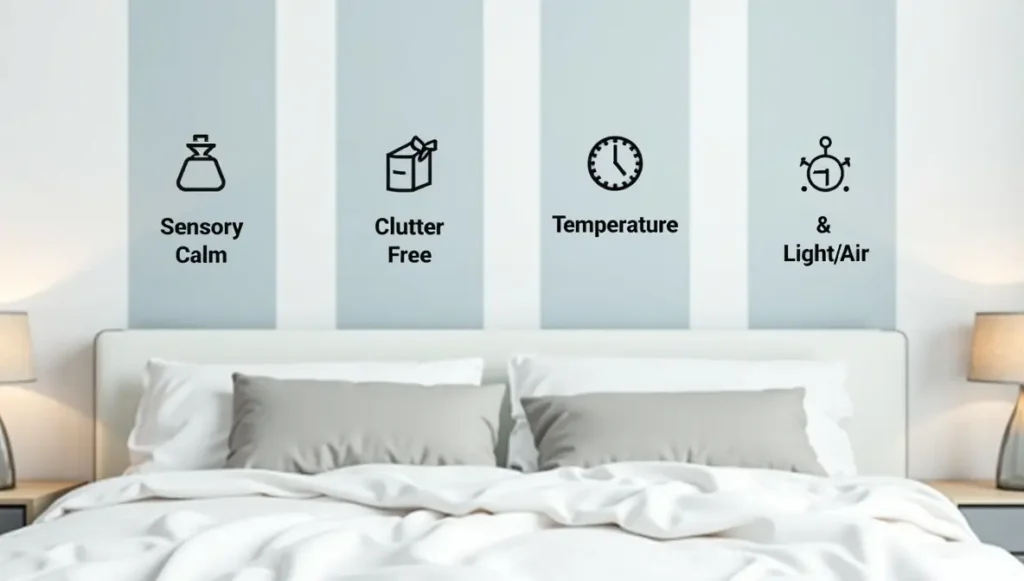
So, you’re sold on transforming your bedroom. But where on earth do you start? Don’t worry, we’re not just throwing ideas at the wall! Fundamentally, crafting a true sleep sanctuary rests on three interconnected pillars: sensory calm, environmental control, and psychological ease. Master these, and you’re laying rock-solid groundwork for insomnia-busting success. Think of it as building your sleep fortress, brick by mindful brick.
The Role of Sensory Calm (Sight, Sound, Touch, Smell)
Our senses are constantly feeding information to our busy brains, especially at night. An ideal sanctuary minimizes jarring sensory input and maximizes soothing signals. Essentially, it’s about creating a gentle, predictable cocoon for your nervous system. Let’s break it down:
- Sight: This means ruthless control over light pollution – think blackout mastery to signal “nighttime” to your circadian rhythm. But also, calming visuals: soft, diffused lighting before bed, clutter-free sightlines, and anxiety-reducing colors.
- Sound: Sudden noises are sleep killers. Soundscaping with consistent, gentle white noise or nature sounds masks disruptions, promoting a sense of auditory safety. Conversely, utter silence can sometimes make you hyper-aware of tiny sounds!
- Touch: Your skin is your largest organ! Rough sheets, an uncomfortable mattress, or the wrong temperature create constant low-level irritation. Thermoregulation tactics and luxurious, breathable textures (think high-thread-count cotton, cooling bamboo) signal comfort and safety. Weighted blankets leverage deep pressure touch for profound calm.
- Smell: Aromatherapy isn’t just hype. Scents like lavender and chamomile have demonstrable, mild sedative effects, directly signaling relaxation to the brain’s limbic system via your olfactory bulbs.
How Clutter Fuels Anxiety and Sleep Disruption
Here’s the uncomfortable truth: a messy bedroom is often a major insomnia culprit. Why? Clutter equals visual noise. Piles of clothes, stacks of papers, overflowing surfaces – they bombard your vision with unresolved tasks and chaos. This subconsciously triggers low-grade anxiety and mental chatter, making it incredibly hard for your mind to settle into the quiet needed for sleep. Furthermore, a cluttered space often signifies a room used for multiple conflicting purposes (sleep, work, storage), confusing your brain’s association with the space. Creating dedicated zones and embracing minimalist design principles for sleep areas isn’t just tidy; it’s a powerful anxiety-reducing strategy. It tells your brain, clearly, “This space is only for rest.” The Mayo Clinic highlights reducing non-sleep activities in the bedroom as a core strategy for improving sleep hygiene.
Temperature, Light, and Air: The Non-Negotiables
While sensory elements set the mood, these three factors are the absolute bedrock of insomnia-busting comfort. Get these wrong, and even the coziest blanket won’t save you:
- Temperature: Your core body temperature must drop to initiate and maintain sleep. Most experts peg the ideal sleep temperature between 60-67°F (15-19°C). Thermoregulation tactics involve breathable bedding, moisture-wicking pajamas, and even mattress toppers designed for cooling sleep. A hot, stuffy room is a recipe for restlessness.
- Light: Light exposure, especially blue wavelengths, is the master regulator of your circadian rhythm. Even small amounts of light pollution from streetlights or electronics can suppress melatonin production. Therefore, blackout solutions (curtains, blinds, masks) are non-negotiable for deep sleep. Circadian lighting systems that mimic sunset/sunrise can further reinforce natural rhythms.
- Air: Stale, dry, or polluted air impacts breathing comfort and overall health. Poor air quality can exacerbate allergies, cause congestion, and disrupt sleep. Meanwhile, optimal humidity (around 40-60%) prevents dry throats and stuffy noses. Air purification (via filters or specific plants) and proper ventilation are crucial for truly restorative rest. The EPA provides excellent guidance on how to improve bedroom air quality. Ignoring these fundamentals is like building a house on sand – address them first!
Part 3: The 18 Sanctuary Ideas (Section 1: Foundational Upgrades)
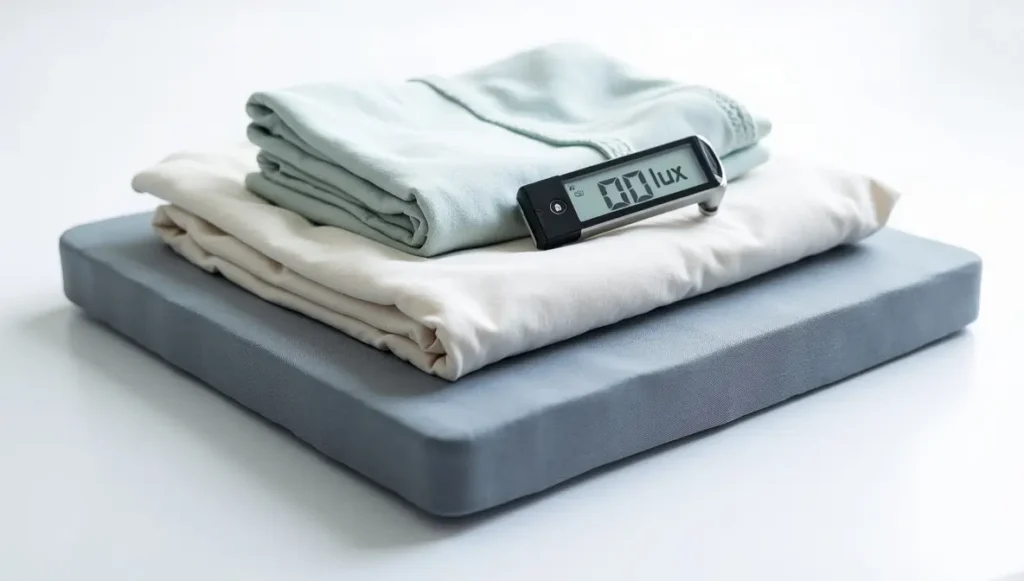
Section 1: Foundational Upgrades
Alright, let’s roll up our sleeves! We’re starting with the bedrock – the non-negotiable elements that form the literal and figurative foundation of your sleep sanctuary. Get these right, and everything else builds upon solid ground. Think of these as the heavy lifters in your insomnia-busting arsenal.
1. The Perfect Mattress: Beyond Firmness (Support, Materials, Lifespan)
First up: your throne of slumber. Choosing a mattress isn’t just about whether you like it soft or firm; honestly, that’s just scratching the surface. What truly matters is proper spinal alignment and pressure relief tailored specifically to your body type and sleep position. A saggy or unsupportive mattress? That’s a one-way ticket to aches, pains, and constant tossing and turning, sabotaging sleep quality before you even start.
- Materials Matter: Memory foam cradles pressure points but can trap heat. Latex offers bounce and cooling. Hybrids blend support coils with foam comfort layers. Innersprings provide firm support and airflow. Consider your needs: Hot sleeper? Prioritize cooling gels, latex, or coils. Need pressure relief? Memory foam or softer latex might shine. Partner with different preferences? A split-firmness hybrid could save the peace!
- Lifespan & Investment:Don’t cheap out! A quality mattress should last 7-10 years. Think of it as a crucial investment in your long-term sleep health and overall wellbeing. Suffering from chronic back pain or restlessness? Upgrading your mattress is often the single biggest leap you can make towards insomnia relief.
- H3: How to Test and Choose: Forget the 5-minute store test! Seriously, lie down in your primary sleep position for at least 15 minutes per mattress. Bring your pillow! Focus on alignment: your spine should maintain its natural curve. Can you move easily? Does it feel supportive without pressure on hips/shoulders? Crucially, check return policies and sleep trials – reputable brands offer 100+ nights. Remember, the best mattress is the one that disappears beneath you, letting you drift off effortlessly. Need more guidance? The National Sleep Foundation offers excellent, evidence-based sleep hygiene tips including mattress selection.
2. Blackout Mastery: Curtains, Blinds, and DIY Hacks
Let’s talk darkness – real, profound darkness. Even tiny amounts of light pollution (streetlights, moon glow, electronics) can suppress your sleep hormone, melatonin, and fragment your sleep. Achieving pitch-black conditions is absolutely paramount for signaling to your circadian rhythm that it’s time for deep, restorative rest.
- Solutions Galore: Blackout curtains (lined or triple-weave) are the gold standard, blocking 99-100% of light. Alternatively, blackout roller shades or cellular shades offer sleek alternatives. Combine them for ultimate defense! For renters or budget fixes, don’t sweat it: Blackout window film is surprisingly effective, or simply use heavy cardboard cut to fit snugly inside the window frame (painted black for aesthetics). Velcro-attached blackout fabric panels are another renter-friendly win.
- H3: Measuring Light Leakage & Fixes: Test your room at night: Turn off all lights, wait 10 minutes for your eyes to adjust. Can you see your hand? Any light seeping around curtains or doors? Common culprits: Gaps at the top/sides of curtains (fix with wider rods, side tracks, or magnetic tape), under the door (use a draft stopper), electronics LEDs (cover them with opaque tape or use light-dimming stickers). Honestly, chasing down every photon makes a massive difference for light-sensitive sleepers.
3. Thermoregulation Tactics: Cooling Mattresses, Breathable Bedding
Feeling like you’re sleeping in a sauna? Or shivering under thin sheets? Your body must drop its core temperature to initiate and maintain sleep. Getting the thermal environment wrong keeps your system in low-level stress, making deep sleep impossible and insomnia likely.
- Cooling Tech: Look for mattresses with cooling gels, phase-change materials, breathable coils, or latex. Alternatively, invest in a high-quality cooling mattress topper (bamboo, latex, gel-infused). Bedding is equally critical: Ditch flannel and synthetics in summer! Opt for natural, breathable fibers like cotton (especially percale weave), linen, Tencel (lyocell), or bamboo. These wick moisture and allow air circulation. Moisture-wicking pajamas (cotton, bamboo, specialty sleepwear) complete the system.
- H3: Ideal Temperatures for Each Season: So what’s the magic number? Generally, 60-67°F (15-19°C) is the sweet spot for most people. But here’s the kicker: Needs vary! Hot sleepers might need the lower end year-round. In winter, you might creep towards 67°F. Key Strategies: Use fans for air movement (feels cooler than still air at the same temp), layer breathable bedding for easy adjustment, consider a dual-zone mattress pad if partners have different needs. Remember, it’s easier to warm up with cozy blankets than to cool down if you’re overheating! Mastering thermoregulation is a game-changer for preventing night sweats and restlessness.
Part 4: The 18 Sanctuary Ideas (Section 2: Sensory Optimization)
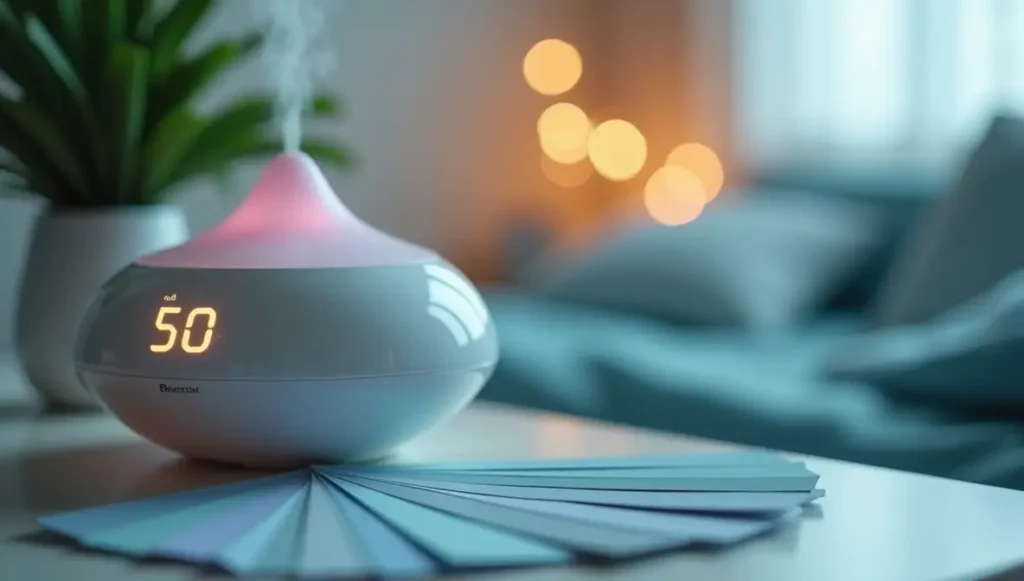
Section 2: Sensory Optimization
Alright, foundation’s set! Now let’s fine-tune your sanctuary’s sensory landscape. These upgrades directly target your nervous system, transforming your bedroom from “just a room” into a certified insomnia-busting oasis. Think of this as dialing into your body’s secret relaxation frequencies.
4. Soundscaping: White Noise Machines vs. Natural Soundscapes
Ever jolted awake because a truck backfired or a faucet dripped? Yeah, unpredictable noises are sleep’s archenemy. But here’s the twist: utter silence can be just as jarring, making you hyper-aware of your own heartbeat or tinnitus. Enter soundscaping: the art of masking disruptions with consistent, soothing sound.
- White Noise Machines: These workhorses emit a steady “shhh” (like static) that blankets sharp noises. Perfect for urban dwellers or light sleepers. Look for options with adjustable volume and tone.
- Natural Soundscapes: Prefer ocean waves, rainforest drizzle, or gentle streams? These tap into evolutionary calm (biophilic design at work!). Great for stress-related insomnia but avoid recordings with sudden bird calls or thunder.
- H3: Decibel Levels and Placement Tips: Keep volume low (around 50-60 dB max) – it’s masking, not a concert! Place the device between you and the noise source (e.g., near a window facing the street). Experiment: Test sounds during the day. If they’re annoying or distracting, ditch ’em! Pro tip: Free apps work in a pinch, but dedicated devices avoid disruptive phone notifications. Honestly, consistent soundscaping is a game-changer for preventing fragmented sleep.
5. Calming Color Palettes: Blues, Greens, and Neutrals
Forget “just paint it beige”! Your walls literally talk to your brain. Science confirms colors impact mood and alertness – crucial for insomnia relief. Harsh, bright hues (reds, oranges, neon yellows) scream “ENERGY!” – the last thing you need at bedtime.
- Champions of Calm:
- Blues: Universally linked to tranquility (think sky, water). Lowers blood pressure and heart rate.
- Soft Greens: Evokes nature, promoting balance and renewal. Especially restful in sage or seafoam shades.
- Warm Neutrals: Creamy whites, gentle taupes, and greiges create serene, cocooning backdrops. Avoid cold, stark whites!
- H3: Paint Finishes That Reduce Glare: Ditch the shine! Matte or flat finishes absorb light, preventing harsh reflections from lamps or morning sun. Eggshell offers a touch more washability but avoid satin or semi-gloss in sleep zones. Stick to LRV (Light Reflectance Value) under 50 for muted, non-stimulating effects. Bottom line? Surrounding yourself with anxiety-reducing colors is like a visual lullaby.
6. Aromatherapy Integration: Diffusers, Sachets, and Safety
Smell is your brain’s direct line to the emotion center. Harnessing this is pure insomnia-busting magic! Certain scents trigger biochemical relaxation responses, easing anxiety and priming you for sleep. But hey, safety first – we’re not just dumping oils everywhere!
- Delivery Methods:
- Ultrasonic Diffusers: Add water + 3-5 drops oil. Doubles as a humidifier! Ideal for whole-room coverage. Run 30-60 mins before bed.
- Reed Diffusers/Sachets: Subtle, continuous scent without electricity. Tuck sachets under pillows or in drawers. Perfect for low-maintenance calm.
- Pillow Sprays: Light misting directly on linens (test for stains first!). Quick, targeted relaxation.
- H3: Top Essential Oils for Sleep (Lavender, Chamomile):
- Lavender: The gold standard! Proven to reduce sleep latency and improve quality. Use it wisely – too much can be stimulating.
- Roman Chamomile: Gentle, apple-like scent. Eases nervous tension and irritability.
- Bergamot (FCF-free): Uplifting yet calming (avoid phototoxic versions).
- Cedarwood: Earthy and grounding, reduces mental chatter.
SAFETY FIRST: Always dilute! Never ingest oils. Keep diffusers out of reach of kids/pets. Crucially, choose 100% pure therapeutic-grade oils – synthetics won’t cut it. Start low (1-2 drops) and see how you respond. Honestly, when used right, aromatherapy is like a scented security blanket for your senses. For deeper insights on relaxation techniques, explore clinical strategies for chronic insomnia from trusted medical sources.
Part 5: The 18 Sanctuary Ideas (Section 3: Lifestyle & Rituals)

Section 3: Lifestyle & Rituals
Hold up – sanctuary magic isn’t just about stuff! Your pre-sleep habits and boundaries are equally vital for insomnia-busting success. This is where you reclaim your evenings from chaos and teach your brain to embrace stillness. Think ritual, not routine – intentional moments that whisper “sleep is coming”.
7. Dedicated Wind-Down Zones: Reading Nooks, Meditation Corners
Ever tried relaxing in the same spot you argue over bills or binge Netflix? Yeah, that doesn’t work. Your brain associates spaces with activities. Creating a distinct, cozy zone for unwiring signals a powerful shift from “go-mode” to “slow-mode.”
- Why It Works: Physically leaving your bed for pre-sleep rituals strengthens the bed-sleep connection. This small separation reduces cognitive arousal – that mental hamster wheel keeping you awake.
- Simple Setups: A plush armchair with soft lamplight for reading. A floor cushion + plant corner for meditation. Even a window seat with a view (minus city glare!). Crucially, keep this zone screen-free and clutter-light.
- H3: 15-Minute Pre-Bed Rituals:Consistency is king, not complexity!Seriously, start small:
- Sip & Sink: Herbal tea (chamomile, valerian) in your nook while journaling 3 worries to release.
- Tension Tamers: Gentle neck rolls or leg-up-the-wall pose. Forget intense yoga!
- Sensory Shift: Apply lavender balm while breathing deeply for 2 minutes.
Pro tip: Set a phone reminder until it sticks! Ultimately, these micro-rituals build sleep pressure naturally.
- H3: 15-Minute Pre-Bed Rituals:Consistency is king, not complexity!Seriously, start small:
8. Tech Detoxing: Charging Stations Outside the Room
Okay, tough love time: your phone is a sleep saboteur. Period. Scrolling floods your eyes with alertness-inducing blue light, suppresses melatonin, and bombards you with stress-triggering updates. Banishing tech isn’t extreme – it’s essential sleep hygiene.
- The Sanctuary Rule: Bedroom = Sleep & Intimacy ONLY. Therefore, charge devices in another room. Use an old-school alarm clock! Resist the “just checking” urge – it always backfires.
- The 1-Hour Buffer: Power down all screens 60+ minutes before bed. Suddenly, you’ll notice how long evenings feel without digital noise!
- H3: Blue Light Filters and Alternatives:Stuck working late?If you must use screens:
- Enable night mode 3+ hours before bed (reduces blue wavelengths).
- Wear amber-tinted glasses – they block blue light more effectively.
- Swap scrolling for: Audiobooks (played on a dedicated player), podcasts on a screen-free device, or analog hobbies (knitting, puzzles). Honestly, breaking the tech grip often delivers the fastest insomnia relief.
- H3: Blue Light Filters and Alternatives:Stuck working late?If you must use screens:
9. Weighted Blankets: Science-Backed Pressure Therapy
Feeling like your nerves are live wires at bedtime? Enter the heavy hug solution. Weighted blankets (typically 5-30 lbs) apply deep pressure touch – think a firm, full-body massage.
- The Science Bit: This pressure stimulates the release of serotonin (mood stabilizer) and melatonin (sleep hormone), while lowering cortisol (stress chemical). Studies show reduced sleep latency and restlessness in adults with anxiety or insomnia. Basically, it’s like swaddling your frazzled nervous system.
- Choosing Your Champion:Fillings matter! Glass beads are dense but cool. Plastic poly pellets are cheaper but can retain heat. Look for breathable covers (cotton, bamboo).
- H3: Choosing the Right Weight (10% Body Weight Rule):
- Start with ~10% of your body weight + 1-2 lbs. (e.g., 150 lb person = 15-17 lb blanket).
- Adjust for comfort: Too heavy? You’ll feel trapped. Too light? No therapeutic effect.
- Special cases: Those with circulation issues or claustrophobia – proceed cautiously! Try a lap pad first.
- Test drive essential: Many companies offer 30-night trials. Listen to your body: Does it feel like a soothing hug or a sandbag? Remember, while powerful, this is a complement to professional care for chronic issues. Explore clinical strategies for chronic insomnia if anxiety persists. When it clicks? Pure cozy magic for quieting a racing mind.
- H3: Choosing the Right Weight (10% Body Weight Rule):
Part 6: The 18 Sanctuary Ideas (Section 4: Environmental Tweaks)
Section 4: Environmental Tweaks
Time to play bedroom detective! These subtle yet mighty tweaks tackle invisible sleep thieves – stuffy air, neck strain, and visual chaos. Think of this as fine-tuning your sanctuary’s operating system for peak insomnia-busting performance. Let’s dive into the details that make all the difference.
10. Air Purification: Plants, Filters, and Humidity Control
Ever wake up with a Sahara-dry throat or stuffy nose? Ugh, poor air quality is a stealthy sleep wrecker. Stale air traps dust, allergens, and even off-gassed chemicals from furniture – irritating airways and triggering restlessness. Meanwhile, humidity extremes make you either gasp or drown in your own sweat!
- Your Clean Air Toolkit:
- HEPA Air Purifiers: Silent ninjas capturing 99.97% of particles. Perfect for allergy sufferers. Place near the bed but not blowing directly on you.
- Humidifiers/Deehumidifiers: Aim for 40-60% humidity. Cool mist humidifiers fight dryness; dehumidifiers stop mold/mustiness in damp climates.
- Nature’s Helpers: Certain bedroom plants act as living air filters while boosting biophilic calm.
- H3: Best Low-Maintenance Bedroom Plants (Snake Plant, Peace Lily):
- Snake Plant: The ultimate survivor! Converts CO2 to oxygen at night (unlike most plants), thrives in low light, and sips water slowly.
- Peace Lily: Elegant air-scrubber that blooms. Tells you when thirsty (droops slightly). Bonus: Increases humidity.
- Spider Plant: Removes formaldehyde, non-toxic, and sprouts cute “babies.”
Pro Tip: Group 2-3 plants for amplified impact. Wipe leaves monthly to keep them efficient. Honestly, breathing easier means sleeping easier. For deeper strategies, learn how to improve bedroom air quality from the experts.
11. Ergonomic Pillow Selection: Back, Side, and Stomach Sleepers
Newsflash: one pillow does NOT fit all! Waking with neck cramps or headaches? Your pillow’s job is crystal clear: maintain neutral spinal alignment from ears to hips. Get this wrong, and you’re basically bench-pressing all night. Ouch.
- The Sleep Position Decoder:
- Side Sleepers: Need thickest support (4-6″ loft) to fill space between ear and shoulder. Firm memory foam or latex prevents collapsing. Hug a body pillow for hip/knee alignment!
- Back Sleepers: Medium loft (3-4″) to cradle the neck without pushing head forward. Contoured pillows with cervical support are gold.
- Stomach Sleepers: Thinnest option (under 3″) – or skip it entirely! Prone sleeping strains the neck; try transitioning to side positions.
- H3: Pillow Loft and Material Guide:
- Memory Foam: Molds to shape, great pressure relief. Can trap heat (look for gel-infused).
- Latex: Bouncy, supportive, and cooling. Naturally hypoallergenic.
- Down/Feather: Plush and moldable but lacks support. Not ideal for chronic pain.
- Buckwheat Hulls: Fully adjustable loft, excellent airflow. Noisy at first!
Test Drive: When lying down, your nose should point straight at the ceiling – not tilted up or down. Replace every 1-2 years – saggy pillows sabotage alignment!
12. Clutter-Free Zones: Hidden Storage and Minimalist Design
Here’s the brutal truth: visual chaos = mental chaos. Piles of clothes, stacked books, or tangled cords scream “unfinished business!” to your subconscious. This low-grade anxiety keeps your brain buzzing when it should be powering down. Time for a serenity sweep!
- Stealth Storage Hacks:
- Under-Bed Rollers: Tuck away off-season clothes or extra linens. Use vacuum bags to maximize space!
- Ottomans with Lids: Dual-purpose seating + hidden storage for blankets or magazines.
- Floating Shelves: Keep surfaces clear. Display only 1-3 calming items (smooth stone, single plant).
- H3: The 5-Minute Daily Tidy Routine:Consistency beats marathon cleans!Every night before bed:
- Do the “Dump & Dash”: Grab a basket, collect stray items in 60 seconds. Sort later.
- Surface Sweep: Clear nightstands completely (lamp, book, water glass ONLY).
- Clothes Crusade: Hang or toss laundry immediately.
- Cord Corral: Use Velcro ties to bundle cables out of sight.
Light a candle or spritz lavender as a “clean slate” reward. Seriously, this tiny habit trains your brain that bedroom = peace. Less clutter = less cortisol = deeper sleep.
Part 7: The 18 Sanctuary Ideas (Section 5: Advanced Enhancements)
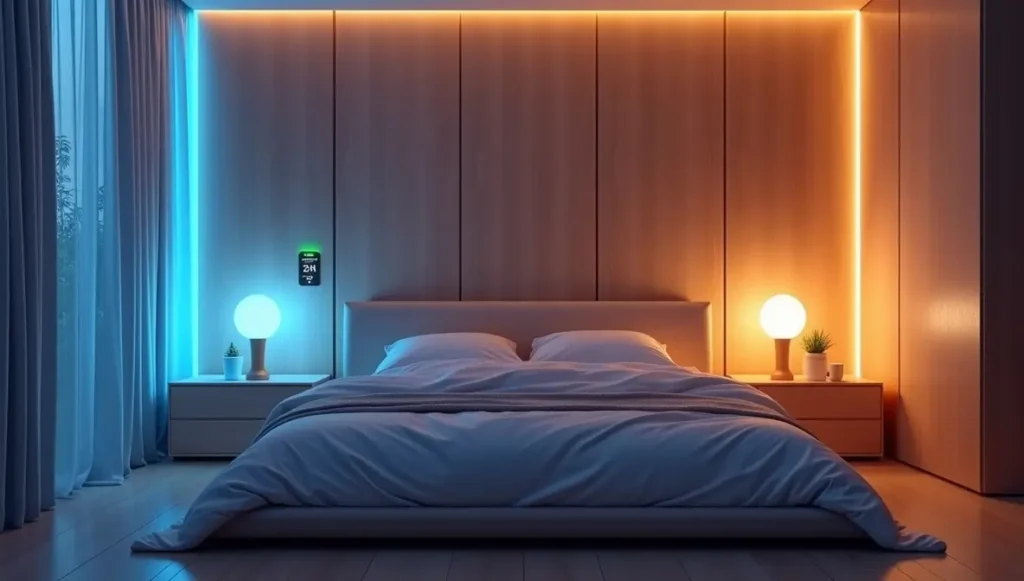
Section 5: Advanced Enhancements
Ready to turbocharge your sanctuary? We’re moving beyond basics into next-level insomnia-busting territory. These tech-savvy, design-forward upgrades tackle sleep sabotage at its sneakiest roots. Think of this as your bedroom’s elite special forces – precision tools for unbreakable sleep.
13. Circadian Lighting: Smart Bulbs and Sunrise Simulators
Ever feel like artificial lighting is fighting your natural rhythms? You’re right. Standard bulbs blast blue-rich light all evening, confusing your circadian rhythm. Circadian lighting mimics nature’s light patterns, gently signaling your brain when to wind down and wake up.
- Smart Bulb Magic: Systems like Philips Hue let you program light “scenes.” Gradually shift from cool white (morning alertness) to warm amber (evening calm) via app control. Perfect for syncing with your natural sleep-wake cycle.
- Sunrise Simulators: These genius devices slowly brighten over 30-90 minutes before your alarm. Instead of jolting awake to darkness, your body naturally emerges from sleep as if dawn’s breaking. Game-changer for groggy mornings!
- H3: Automating Light Schedules: Set it and forget it! Sync lights with your phone’s bedtime alarm. Start dimming 2 hours pre-sleep (2500K color temp). Program sunrise simulation to begin 30 mins before waking. Crucially, use with blackout solutions for true darkness during sleep. This isn’t just convenient – it’s biological harmony for your internal clock.
14. Soundproofing Essentials: Rugs, Acoustic Panels, Door Seals
Tired of trash trucks or noisy neighbors hijacking your sleep? Soundscaping helps, but true soundproofing stops noise at the source. These physical barriers create an acoustic fortress against sleep-wrecking disruptions.
- Strategic Defense Toolkit:
- Mass-Loaded Vinyl (MLV): Install under flooring or behind walls. Heavy but incredibly effective for low-frequency noise (bass, traffic rumble).
- Acoustic Panels: Absorb mid/high frequencies (voices, TV). Choose fabric-wrapped panels – they look chic unlike foam egg crates!
- Door Seals & Sweeps: Block sound leaking through gaps. Self-adhesive options take minutes to install.
- H3: Budget-Friendly DIY Solutions:
- Bookcase Barrier: Load a sturdy bookcase against shared walls – books absorb sound remarkably well!
- Rug Layering: Place thick rug pads under plush area rugs. Doubles as cozy foot comfort!
- Window Plug: Cut rigid foam insulation to fit snugly inside window frames at night.
Pro tip: Identify your worst noise culprit first. Honestly, even modest soundproofing delivers profound insomnia relief for urban dwellers.
15. Nature Immersion: Biophilic Design Elements
Feeling disconnected from the natural world? Biophilic design brings the outdoors in. It’s not just aesthetics – studies confirm nature exposure lowers cortisol and boosts restorative sleep. Your primitive brain craves this connection!
Textile Upgrade: Replace polyester blends with breathable linen, temperature-regulating wool, or butter-soft organic cotton.
Start small: A wooden tray for nighttime essentials, a jute rug, hemp curtains. Suddenly, your room feels like a peaceful forest retreat – minus the mosquitoes! For deeper insights, explore evidence-based sleep hygiene tips connecting nature and rest.
Beyond Houseplants:
Natural Materials: Swap plastic for wood nightstands, stone coasters, rattan baskets, or linen bedding. Tactile textures ground your senses.
Nature Imagery: Hang landscape photography or botanical prints. Avoid chaotic abstracts – choose serene forest/water scenes.
Organic Shapes: Incorporate curved headboards, oval mirrors, or river-rock decor. Fluid forms feel instinctively calming.
H3: Wood, Stone, and Organic Textiles:
Wood Types: Reclaimed oak for warmth, bamboo for sustainability, walnut for richness. Avoid glossy finishes – matte feels more organic.
Stone Accents: Soapstone bookends, marble lamp bases, or slate trivets add earthy grounding energy.
Part 8: The 18 Sanctuary Ideas (Section 6: Holistic Additions)

Section 6: Holistic Additions
Beyond gadgets and gizmos—let’s tap into your senses and soul. These final touches weave emotional safety and instinctive calm into your sanctuary’s fabric. Think texture therapy, visual serenity, and deeply personal comfort cues. This is where your bedroom truly becomes a sleep sanctuary.
16. Anxiety-Soothing Textures: Fuzzy Rugs, Knit Throws
Ever felt instantly calmer sinking your toes into plush carpet? That’s tactile therapy in action. Soft, comforting textures trigger your brain’s relaxation response—lowering heart rate and quieting mental chatter. For insomniacs, this is a game-changer for easing bedtime tension.
- Texture Toolkit:
- Faux Fur Rugs: Like walking on clouds! Adds instant luxury and warmth beside the bed.
- Chunky Knit Throws: Drape one over your reading chair or bed foot. The weight and weave offer gentle sensory grounding.
- Velvet Cushions: Rich, nubbly surfaces invite touch and feel indulgent against skin.
- H3: Tactile Therapy for Restlessness:
- Grounding Exercise: Sit cross-legged on a fuzzy rug, palms flat on its surface. Breathe deeply for 2 minutes—focus only on the texture.
- Weight + Softness Combo: Pair a weighted blanket with a cashmere throw. Deep pressure + delicate softness = next-level calm.
- Bedside Ritual: Keep a smooth worry stone or silk eye pillow on your nightstand. Running fingers over it redirects anxious energy. Suddenly, your room becomes a haptic haven for frazzled nerves.
17. Sleep-Encouraging Art: Abstract vs. Nature Scenes
Walls whispering stress or serenity? Your art choices powerfully shape your subconscious. Avoid bold, high-contrast pieces or emotionally charged imagery—they spike cortisol. Instead, curate visuals that whisper “stillness” to your weary brain.
- Science-Backed Choices:
- Nature Landscapes: Misty forests, still lakes, or desert horizons. Biophilic scenes lower blood pressure 3x faster than blank walls!
- Soft Abstracts: Gentle watercolor washes or blurred, muted shapes. Ambiguous forms let your mind drift without focus.
- Avoid: Cluttered collages, aggressive lines, or vibrant “pop” art.
- H3: Placement and Sizing Guidelines:
- Eye-Level Calm: Hang key pieces where you’ll see them last before closing your eyes—opposite the bed or above a dresser.
- Size Matters: One large (24″x36″) piece > multiple small frames. Less visual clutter, more immersive calm.
- Matte & Frameless: Opt for canvas prints or float-mounted art. Glare-free and seamlessly serene. Your walls should feel like a visual exhale.
18. Personalized Retreat Vibes: Memory Cues and Sentimental Objects
Generic “calm” doesn’t cut it when anxiety’s high. True sanctuary blooms from personal meaning. Incorporate objects that whisper “you’re safe here” to your deepest self. This isn’t clutter—it’s curated emotional armor.
- Intentional Anchors:
- Memory Cues: A seashell from your happiest beach trip, grandma’s quilt, or a photo of your dog sleeping. Instant comfort triggers.
- Sensory Souvenirs: A pinecone from your favorite hike (smell = memory), a silk scarf from Paris (touch = joy).
- Symbols of Safety: A smooth river rock (“steadiness”), a tiny bronze owl (“wisdom over worry”).
- H3: Curating a “Safe Space” Aesthetic:
- Less Is More: Choose 1-3 powerfully meaningful items. Display intentionally—on a small tray, shelf, or wall niche.
- Nighttime Ritual: Briefly hold/touch one item while breathing deeply before bed. Anchor yourself in its positive association.
- Avoid Trauma Triggers: Be ruthlessly selective. If an object holds mixed emotions, store it elsewhere.
This is deeply personal insomnia medicine. For those with anxiety-driven sleeplessness, pairing this with clinical strategies for chronic insomnia creates a robust healing ecosystem.
Part 9: Implementation Roadmap
Bringing Your Sanctuary to Life: Budgets, Phases, and Habits
Feeling overwhelmed? Breathe. Transforming your bedroom isn’t an all-or-nothing sprint—it’s a mindful marathon. Let’s map out a stress-free plan that fits your reality. Whether you’ve got $50 or $5000, consistency beats perfection every time for insomnia relief.
Quick Wins vs. Long-Term Projects
Start tonight with zero-cost tweaks:
- The 5-Minute Power Reset: Do your clutter sweep, set phone alarms for wind-down time, and tape over blinking electronics.
- Temperature Triage: Crack a window, ditch heavy PJs, or add a fan.
- Lightning Blackout Hack: Pin thick blankets over curtains with binder clips.
Then, strategically phase in investments:
- Month 1: Prioritize sleep hygiene fundamentals – blackout solutions + consistent bedtime ritual.
- Month 2-3: Tackle sensory disruptors – white noise machine or breathable bedding.
- Month 4+: Invest in game-changers – mattress upgrade or circadian lighting.
Remember: $20 bamboo sheets often out-perform $200 gadgets! Focus on what your body craves most.
Maintaining Your Sanctuary (Daily/Weekly Checklists)
A sanctuary stays magical through tiny habits:
- Nightly (3 mins): Clutter sweep, diffuse lavender, set phone to “Do Not Disturb”.
- Weekly (15 mins): Wash sheets, vacuum under bed, rotate plants for sunlight.
- Monthly: Deep-clean air purifier filters, test smoke alarm batteries.
Pro tip: Pair chores with rewards—after tidying, savor herbal tea in your reading nook. Suddenly, maintenance feels like self-care!
Tracking Sleep Improvements: Apps and Journals
What gets measured gets managed! Spot patterns with:
- Sleep Apps (Auto-Track): Sleep Cycle analyzes snoring/deep sleep; Pillow flags caffeine impacts.
- Analog Journaling: Note pre-bed rituals, night awakenings, and morning energy on a scale of 1-10.
Key Insight: Look for trends, not nightly wins. Did blackout curtains cut mid-sleep wake-ups? Did weighted blanket use correlate with less 3 AM anxiety? Within 2-4 weeks, you’ll see your sleep efficiency climb. For deeper analysis, cross-reference your notes with evidence-based sleep hygiene tips.
“You don’t need to see the whole staircase, just take the first step.” – Martin Luther King Jr.
Frequently Asked Questions
What’s the most cost-effective insomnia-busting upgrade?
Blackout solutions win hands-down! While high-end curtains work, budget hacks deliver serious results:
- Tension rods + blackout fabric: Under $30
- Cardboard window inserts: $0 (recycled materials)
- Light-dimming stickers for electronics: $5
Pair these with a free white noise app (like MyNoise or White Noise Lite). Total investment: <$35 for transformative darkness and sound control.
Can a weighted blanket replace medication for anxiety-induced insomnia?
Not as a standalone solution. While weighted blankets show impressive clinical results for reducing nighttime anxiety (one study showed 63% lower cortisol levels), they work alongside treatment—not as a replacement. Crucially:
- Use blankets with therapy/CBT-I techniques
- Consult your doctor before altering any prescribed regimen
- They’re most effective for mild-to-moderate anxiety
Think of them as a powerful complementary tool in your toolkit. For severe cases, explore clinical strategies for chronic insomnia.
How long until I see sleep improvements after redesigning my bedroom?
Consistency is key! Most notice changes within 2–4 weeks:
- Immediate wins (Day 1-3): Faster sleep onset from blackout mastery
- Medium-term (Week 2): Fewer awakenings with soundscaping + temperature control
- Long-term (Month 1+): Deeper sleep cycles from circadian lighting + ritual adherence
Pro tip: Track progress in a sleep journal to spot subtle wins!
Are there colors that worsen insomnia?
Absolutely. Avoid these alertness-boosting hues:
- Reds/Oranges: Increase heart rate + blood pressure
- Bright Yellows: Overstimulate the nervous system
- Glossy Whites: Create harsh glare under lamps
Stick to matte-finish blues, greens, or warm neutrals for visual calm. Research confirms blue walls alone can cut sleep latency by 15 minutes!
Do plants really improve sleep quality?
Yes! It’s a double win:
- Air Purification: Snake plants/peace lilies remove toxins like benzene + formaldehyde
- Bioccalming Effect: Greenery reduces stress markers by 37% (University of Hyogo study)
*Place 2-3* low-maintenance bedroom plants within sight of your bed. Just avoid overly fragrant blooms like jasmine at night! Learn more about how to improve bedroom air quality scientifically.
Part 11: Conclusion
Your Path to Deep, Restorative Sleep Starts Tonight
We’ve journeyed through 18 powerful ways to transform your bedroom from a battleground into an insomnia-busting sanctuary. Remember: this isn’t about luxury—it’s about biological necessity. Your sleep environment holds profound power over your nervous system, hormone balance, and ability to heal.
Recap: Top 3 Sanctuary Must-Haves
- Pitch-Black Darkness: Non-negotiable for melatonin production. Prioritize blackout mastery above all.
- Temperature Control: Your body cannot dive into deep sleep if it’s overheating. *Cooler is better (60-67°F/15-19°C)*.
- Clutter-Free Calm: Visual chaos fuels mental chaos. A clear space signals safety to your anxious brain.
Start tonight—not tomorrow. Pin a blanket over that glaring streetlight. Ditch the synthetic PJs. Toss laundry into a basket. These micro-shifts build momentum. You don’t need a full remodel to begin reclaiming rest.
“Sleep is the golden chain that ties health and our bodies together.” – Thomas Dekker
Your sanctuary is waiting. One tweak, one deep breath, one still night at a time. You deserve this.
Share your wins! Which idea brought you the most insomnia relief? Tag #SleepSanctuaryRevolution on socials.