Maximalist to Minimalist: 25 Living Room Styles Sorted
Introduction – Navigating the Design Spectrum
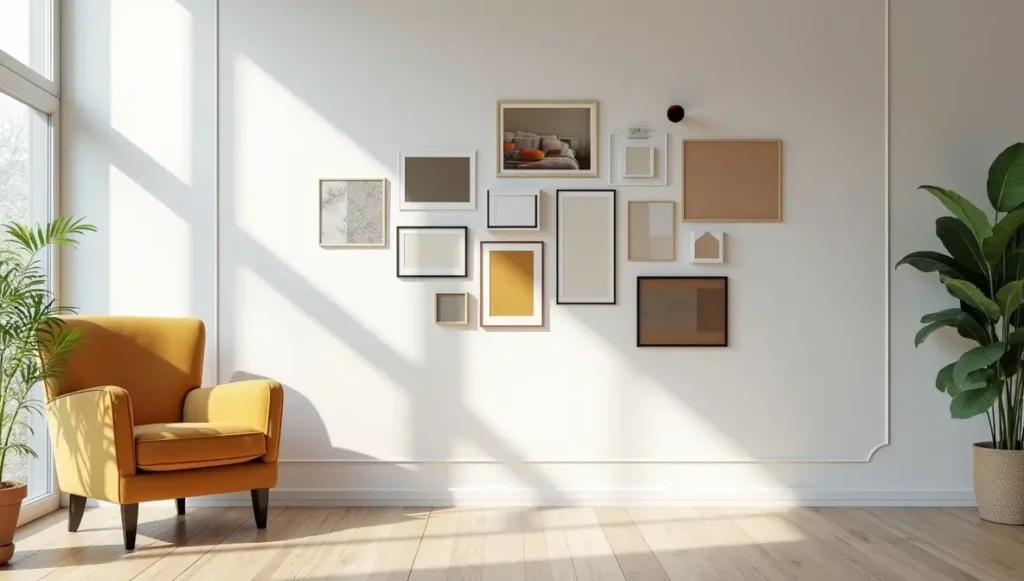
Maximalist to Minimalist: 25 Living Room Styles Sorted to Define Your Unique Aesthetic
Welcome to the exciting world of interior design, a place where rules are often suggestions and your personal style can truly shine. Indeed, the spectrum of design possibilities is incredibly vast, stretching from the expressive, joyful abundance of maximalism to the calm, intentional simplicity of minimalism. Your living room, often considered the heart of your home, serves as the perfect canvas for this self-expression. Therefore, this guide will navigate you through 25 distinct living room styles, meticulously sorted to help you pinpoint your perfect aesthetic match. Or, perhaps, you’ll find inspiration to create a beautifully blended approach that’s all your own. Moreover, it’s important to remember that design is ever-evolving; consequently, what resonates with you today might shift tomorrow, and that’s the beauty of crafting a space that truly feels like home.
The Fundamental Divide: Understanding Maximalism and Minimalism in Living Room Design
At the core of most design discussions, especially concerning living room aesthetics, lie two seemingly opposite philosophies: maximalism and minimalism. Understanding these foundational concepts is key before exploring the nuances that lie between them. Consequently, let’s break down what each approach truly embodies.
Deciphering Maximalist Living Rooms: The Art of More is More
Picture a space brimming with life, color, and character; that, in essence, is the soul of a maximalist living room. This design philosophy wholeheartedly embraces the “more is more” mantra, championing fearless expression through rich, often bold, color palettes. Furthermore, it involves intricate layering of diverse textures and a delightful dance of bold patterns. Curated collections of art, books, and cherished objects tell personal stories, adding depth and personality. Think of eclectic mixes that, while abundant, are thoughtfully arranged, creating an immersive and deeply engaging environment. However, it’s crucial to distinguish this intentional approach from unintentional clutter; true maximalism is a carefully orchestrated symphony of beloved items, not just a random accumulation. Indeed, the impact of color choices in such a vibrant space can profoundly affect mood, a concept well explored in understanding how color psychology influences living room ambiance (Example external link – assuming this is a non-competitor psychology resource).
Embracing Minimalist Living Rooms: The Power of Intentional Simplicity
Conversely, minimalist living rooms operate on the powerful principle of “less is more.” This approach champions intentional simplicity, where functionality and clean lines reign supreme. Typically, you’ll find neutral or monochromatic color palettes creating a serene and uncluttered backdrop. Surfaces are kept clear, and the focus shifts to the quality of essential items rather than their quantity. Moreover, light and space become key decorative elements in their own right. Every piece in a minimalist setting serves a distinct purpose, contributing to an overall atmosphere of calm and order. Consequently, this style often highlights architectural features or a few carefully chosen, impactful pieces, fostering a tranquil and mindful living experience.
Why a Sorted Journey? Discovering Your Ideal Spot on the Maximalist-Minimalist Continuum
Now, you might be wondering, “Why sort these styles from one extreme to the other?” Well, the truth is, very few people find themselves fitting perfectly into the pure maximalist or pure minimalist camp. Instead, most of us discover our personal style somewhere along the vibrant design continuum that stretches between these two poles. Therefore, exploring a sorted list offers a fantastic advantage. It allows you to clearly identify specific elements from various points on the spectrum that truly resonate with you. For instance, you might adore the clean lines of minimalism but crave the cozy textures often found in more abundant styles. This journey of discovery, consequently, makes it much easier to conceptualize blending different living room styles or to make a conscious, informed transition if you’re looking to evolve your current decor. Furthermore, many contemporary living room aesthetics are, in fact, nuanced interpretations or clever fusions, borrowing the best from multiple worlds to create something fresh and exciting.
Part 2: The World of Abundance – Exploring Maximalist Living Room Styles (Styles 1-6)
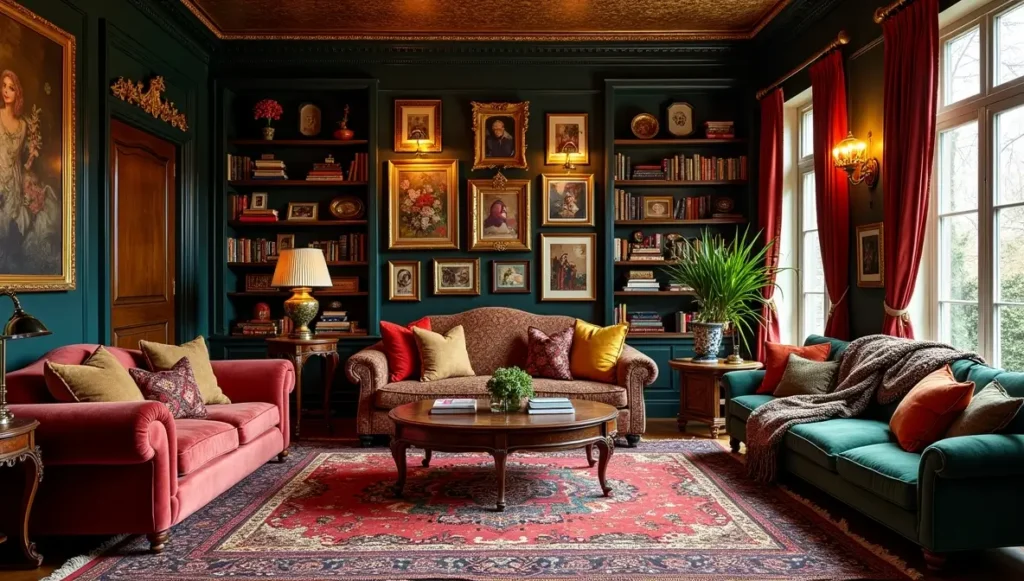
Celebrating “More”: Diving into Distinctly Maximalist Living Room Styles
Ready to unleash your inner design diva? Well then, this section is your playground! We’re about to explore those wonderfully expressive, richly layered maximalist living room styles. These are the spaces that champion bold choices, embrace personal collections, and aren’t afraid to make a statement. So, let’s get started!
Style 1: Classic European Maximalism – Opulence, History, and Grandeur
Imagine stepping into a room that whispers tales of bygone eras, filled with an air of opulence and undeniable grandeur. That, in essence, is Classic European Maximalism. It’s a style that truly revels in richness and historical depth.
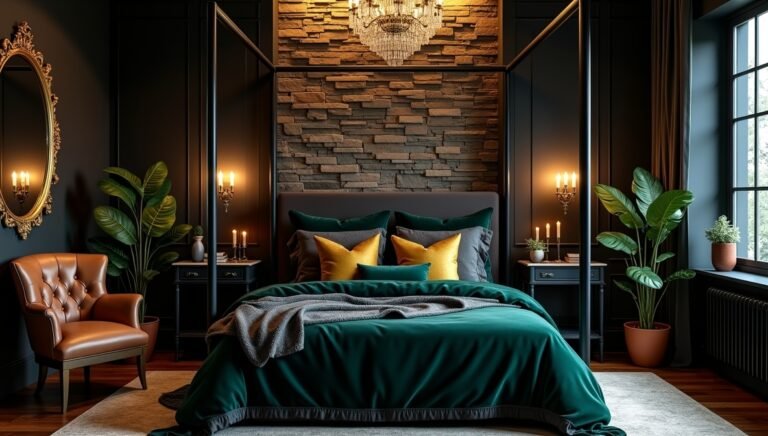
- Defining Features This aesthetic is characterized by deep, sumptuous jewel tones like emerald, sapphire, and ruby, creating a regal atmosphere. Furthermore, intricate patterns such as damask, brocade, or toile frequently adorn walls and fabrics. Luxurious textiles, think velvet, silk, and tapestry, are used generously, adding to the tactile richness. You’ll often find antique furniture or ornate reproductions, alongside elaborate chandeliers that command attention. Additionally, layered rugs, often Persian or Oriental, add warmth and complexity underfoot, while extensive art collections, perhaps displayed as gallery walls with gilded frames, and decorative moldings complete this sophisticated look.
- Ideal For This style particularly resonates with those who appreciate historical richness and formal elegance. Moreover, it’s perfect for individuals who desire a living room that tells a compelling story of heritage and refined sophistication. If you love a touch of drama and timeless beauty, this could be your calling.
- Achieving the Look To bring this style to life, focus on acquiring high-quality, statement pieces that exude character. Although the look is abundant, it’s crucial to curate with an eye for balance, preventing the space from feeling overwhelming. Using a unifying color thread throughout the room can help tie the diverse elements together harmoniously.
Style 2: Bohemian (Boho) Maximalism – Free-Spirited, Global, and Textured
Next up, we have Bohemian Maximalism, a style that sings with a free-spirited, global vibe and a profound love for texture. It’s wonderfully unconventional and deeply personal, creating a warm and inviting sanctuary.
- Defining Feature Boho Maximalism often features rich, earthy tones beautifully mixed with vibrant, unexpected accents. You’ll notice a delightful profusion of global-inspired patterns like ikat, suzani, and kilim, reflecting a wanderlust spirit. An abundance of plants is almost a signature, bringing life and fresh energy indoors. Furthermore, layered textiles are key – think multiple rugs, plush throws, and an assortment of patterned pillows. Macramé wall hangings and various woven elements add to the handcrafted feel, alongside cherished vintage finds and handmade items. Low-level seating, such as floor cushions and poufs, encourages a relaxed atmosphere, while personal trinkets and travel souvenirs proudly tell stories of adventure.
- Ideal For This style is a haven for creative individuals, ardent travelers, and anyone who desires a relaxed, unconventional, and intimately personal living space. If you value comfort and self-expression above rigid design rules, then Boho Maximalism might just be your soulmate.
- Achieving the Look The key here is to wholeheartedly embrace imperfection and artistic freedom. Don’t be afraid to mix textures and patterns with wild abandon; in fact, it’s encouraged! Prioritize comfort and surround yourself with items that hold personal meaning, letting your unique story unfold within the space.
Style 3: Hollywood Regency Maximalism – Glamour, Drama, and High Shine
Prepare for the spotlight with Hollywood Regency Maximalism, a style that exudes glamour, drama, and an unapologetic love for high-shine finishes. It’s all about creating a sophisticated and theatrical living space that captivates.
- Defining Features Bold color contrasts are a hallmark, often featuring dramatic pairings like black and white, frequently accented with rich jewel tones or dazzling metallics. Lacquered surfaces and mirrored furniture play a significant role, reflecting light and adding to the opulent feel. Plush velvet and even faux fur are common fabric choices, enhancing the luxuriousness. You’ll also spot daring animal prints, like leopard or zebra, used as statement accents. Furthermore, metallic details in gold or brass are generously sprinkled throughout, from furniture legs to decorative objects. Statement lighting is crucial, with crystal chandeliers or dramatically sculpted lamps often taking center stage, while symmetrical arrangements lend a touch of formality amidst the theatricality.
- Ideal For This style is undoubtedly for lovers of old Hollywood glamour and those who aren’t afraid to make a bold, confident statement. It appeals to individuals who enjoy a sophisticated, dramatic, and undeniably luxurious ambiance in their living room.
- Achieving the Look To channel your inner movie star, incorporate plenty of reflective surfaces that bounce light around the room. Choose furniture pieces that boast dramatic silhouettes and don’t shy away from embracing opulent textures and eye-catching patterns. It’s all about curated extravagance!
Style 4: “Grandmillennial” or New Traditional Maximalism – Nostalgic Charm Reimagined
The “Grandmillennial” style, also known as New Traditional Maximalism, offers a delightful reinterpretation of nostalgic charm for the modern age. It’s like raiding your grandmother’s attic but making it incredibly chic and current.
- Defining Features This aesthetic is a charming blend of old and new, celebrating traditional design elements with a fresh perspective. Expect to see plenty of chintz and floral prints, often alongside delightful details like ruffles and skirted furniture. Wicker and rattan pieces add a touch of lightness and texture. Antique wooden pieces or vintage-inspired items contribute to the sense of history. Furthermore, needlepoint pillows and curated collections of china or silver are common, evoking a sense of heritage. Crucially, these traditional elements are often mixed with contemporary art or cleaner-lined pieces to prevent the style from feeling stuffy or dated. Essentially, it’s granny-chic made sophisticated and cool.
- Ideal For “Grandmillennial” style appeals to those who genuinely appreciate heirlooms and classic design motifs. It’s for individuals who value a sense of comfortable, lived-in history but want to infuse it with a playful, modern twist.
- Achieving the Look The trick is to artfully blend inherited or vintage pieces with new finds, creating a dialogue between past and present. Embrace those traditional patterns, but perhaps consider them in more contemporary colorways. Finally, layer various textures to enhance the coziness and inviting nature of the space.
Style 5: Dark Academia Maximalism – Moody, Intellectual, and Evocative
Step into a world of scholarly pursuits and moody ambiance with Dark Academia Maximalism. This style evokes the atmosphere of ancient libraries, classic literature, and a deep appreciation for learning and the arts.
- Defining Features Dark Academia is defined by its deep, saturated color palettes – think forest green, rich burgundy, classic navy, and charcoal grey. Extensive bookshelves, often overflowing, are practically a requirement, showcasing a love for the written word. Comfortable leather armchairs invite hours of reading and contemplation. Reproductions of classical art, perhaps some sculptural busts, vintage maps, and intricate scientific illustrations, adorn the walls and surfaces. Rich wood tones, often dark and polished, are prevalent in furniture and paneling. Textiles like plaid or tweed add to the scholarly, slightly vintage feel, while various curiosities and antiques further enhance the intellectual atmosphere.
- Ideal For This evocative style is perfect for avid book lovers, academics, writers, and anyone who romanticizes classic literature, history, and learning. It suits those who appreciate a slightly melancholic, atmospheric, and thought-provoking living room.
- Achieving the Look Prioritize books as a central decorative element – let them shine! Create cozy, inviting reading nooks with comfortable seating and warm, focused lighting. Incorporate vintage or antique-style pieces to build that sense of history, and don’t underestimate the power of atmospheric, layered lighting to achieve the desired moody ambiance.
Style 6: Eclectic Collector Maximalism – A Curated Cabinet of Curiosities
Finally, we arrive at Eclectic Collector Maximalism, a style that is less about adhering to specific design rules and more about showcasing a life well-lived through curated collections and personal treasures. It’s a vibrant, evolving tapestry of individuality.
- Defining Features This intensely personal style is driven by the owner’s passions, with art collections, unique objects, books, and textiles from various periods and styles all displayed with flair. The “rules,” if any, are dictated entirely by individual taste, yet there’s a clear intentionality to the arrangement and a story behind each chosen item. You’ll often find unexpected pairings and a strong, undeniable sense of the inhabitant’s unique personality. It’s about creating a space that feels like a personal museum or a cabinet of cherished curiosities.
- Ideal For Eclectic Collector Maximalism is ideal for passionate collectors, individuals with diverse and varied interests, and those who view their home as an ever-evolving biography written in objects and art. If your possessions tell your story, this is your stage.
- Achieving the Look To make this style work beautifully, group similar items together to create impactful displays. Vary the heights, scales, and textures within your arrangements to maintain visual interest. Crucially, even amidst the abundance, ensure there are clear focal points and some areas for the eye to rest, preventing the space from becoming visually chaotic.
Part 3: The Balanced Middle – “Midimalist” Styles and Harmonious Blends (Styles 7-12)
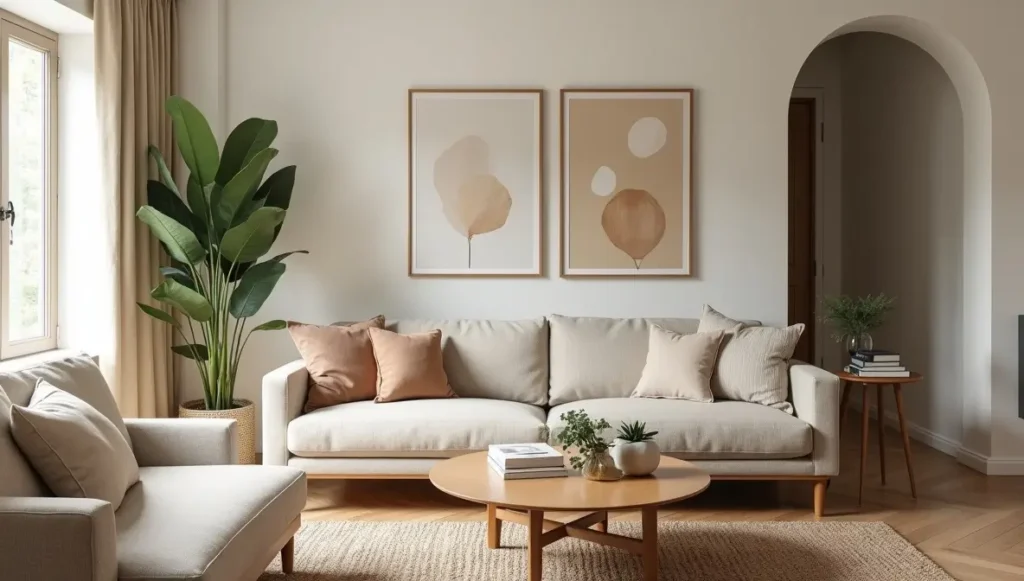
Finding Harmony: Styles that Master the Art of “Just Enough”
Feeling like neither extreme quite captures your living room dream? You’re in luck! Many of us find our sweet spot in the “middle,” where styles artfully combine elements from both maximalism and minimalism. Consequently, these Midimalist approaches create a beautifully balanced design that feels both personalized and perfectly harmonious. Let’s explore these masters of “just enough.”
Style 7: Transitional “Midimalism” – Classic Comfort Meets Modern Restraint
First in our exploration of balanced aesthetics is Transitional “Midimalism”. This style elegantly bridges the gap between the old and the new, offering a look that’s both sophisticated and comfortably inviting. It’s about achieving that “just right” feeling.
- Defining Features Think of a graceful blend of traditional silhouettes thoughtfully paired with cleaner, more modern lines. Neutral color palettes, such as soft grays, warm beiges, and inviting creams, are very common here, often providing a calm backdrop. These are frequently accented with richer, yet never overwhelming, colors to add depth. Crucially, texture plays a key role in injecting warmth and interest, preventing the space from feeling stark. Accessories, while present, are limited and always well-chosen, each contributing to the overall serene yet engaging atmosphere. The overarching focus is on achieving enduring comfort and a timeless appeal, all without any unnecessary fussiness or clutter.
- Ideal For This style is an excellent choice for those who find strictly traditional decor a tad too formal, yet feel that purely modern design can be a bit too stark or cold. Moreover, it’s perfect for anyone seeking a sophisticated, comfortable, and genuinely inviting living room that feels both classic and current.
- Achieving the Look To successfully craft this look, aim to thoughtfully mix furniture pieces that feature both curved and straight lines. Opt for upholstery that is plush and comfortable but maintains a tailored, neat appearance. Finally, utilize a calm, cohesive color scheme throughout the space to tie all the elements together seamlessly.
Style 8: Scandinavian-Boho (Scandi-Boho) “Midimalism” – Hygge Meets Free Spirit
Next, let’s wander into the wonderfully inviting world of Scandinavian-Boho “Midimalism”, often affectionately dubbed “Scandi-Boho.” This delightful fusion marries the cozy simplicity of Scandinavian design with the free-spirited warmth of Bohemian style.
- Defining Features The foundation here is typically the light, airy, and eminently functional base of classic Scandinavian design – think white or soft neutral walls, beautiful light-toned woods, and clean, unfussy lines. Infused into this serene backdrop are the characteristic warmth, rich texture, and global influences of Bohemian style. This means you’ll often find an abundance of happy plants, beautifully layered rugs, an assortment of patterned cushions, and unique artisan accessories. Consequently, there’s generally more color and visible personality than you’d find in a purely Scandinavian space, resulting in a look that feels both calm and creative.
- Ideal For Scandi-Boho is a fantastic match for individuals who adore the elegant simplicity of Scandinavian design but also crave a bit more coziness, a stronger expression of personality, and a delightful touch of artistic flair in their living room.
- Achieving the Look Begin by establishing a neutral, Scandi-inspired backdrop – light walls and perhaps some pale wood furniture. Then, layer in an array of natural textures like wool, linen, and rattan. Introduce plenty of greenery with various plants, and finish by adding a few carefully chosen, boho-inspired decorative items that speak to you.
Style 9: Modern Farmhouse “Midimalism” – Rustic Warmth, Contemporary Polish
If you love the cozy charm of country living but prefer a more updated aesthetic, then Modern Farmhouse “Midimalism” might just steal your heart. This style beautifully combines rustic warmth with a decidedly contemporary polish.
- Defining Features This popular style cleverly retains beloved farmhouse elements, such as shiplap details, reclaimed wood accents, and a generally neutral color palette. However, it skillfully marries these with distinctly modern sensibilities. You’ll notice cleaner lines in furniture, significantly less clutter than traditional farmhouse might allow, and contemporary pieces comfortably coexisting alongside carefully selected vintage finds. The primary focus remains on creating a comfortable and practical living space, but with a more refined and less kitschy feel. It’s all about that welcoming vibe, elevated with a touch of modern sophistication.
- Ideal For Modern Farmhouse is perfect for those who deeply appreciate the cozy, unpretentious nature of classic farmhouse style but are actively seeking a more updated, streamlined, and sophisticated version for their modern lives.
- Achieving the Look The key to mastering this look is to artfully balance those charming rustic textures with sleeker, more modern items. Ensure that any accessories are thoughtfully curated and meaningful, rather than just filling space. Lastly, strive to maintain a light and airy feel throughout the living room, enhancing that fresh, contemporary vibe.
Style 10: Art-Centric “Midimalism” – Where Decor Supports the Masterpiece
For those whose hearts beat faster for a stunning painting or a captivating sculpture, Art-Centric “Midimalism” offers a way to let that passion take center stage. Here, the living room is thoughtfully designed to hero one or a few significant pieces of art.
- Defining Features In this style, the statement artwork is undeniably the star of the show. All other elements, from furniture to accent decor, are carefully chosen to complement and highlight these prized pieces. This often means that surrounding furnishings feature more subdued colors or simpler forms, ensuring they don’t compete for attention. While there’s a clear appreciation for beauty and impactful pieces, the overall environment remains relatively uncluttered. This intentional restraint allows the artwork to truly shine and command the viewer’s focus. For those seeking inspiration, a visit to an online gallery, like The Museum of Modern Art’s online collection or exploring diverse art for your walls on Google Arts & Culture, can be incredibly fruitful. (Example external link for Art – assuming this is a non-competitor).
- Ideal For This approach is tailor-made for art collectors and enthusiasts who desire their most cherished pieces to be the undeniable focal point of their living room, creating a space that feels like a personal gallery.
- Achieving the Look The most crucial first step is to select your hero artwork(s). Once chosen, build the room’s color palette and furniture style around them, ensuring harmony. Pay close attention to lighting, as good illumination is essential to properly showcase your art and bring it to life.
Style 11: Japandi with Character – Zen Meets Warmth and Personality
Japandi, that beautiful marriage of Japanese Zen simplicity and Scandinavian functionality, gets a subtle twist in Japandi with Character. This “Midimalist” take retains the core principles but allows for a little more visible warmth and personal expression.
- Defining Features All the core tenets of Japandi are firmly in place: a deep appreciation for natural materials like wood and bamboo, impeccable craftsmanship, an emphasis on simplicity, and calming neutral color palettes. The wabi-sabi philosophy, finding beauty in imperfection, also plays a role. However, Japandi with Character gently infuses a touch more personality. This might manifest as a few more carefully curated decorative objects, perhaps some richer textures in textiles, or even subtle, understated uses of color that don’t disturb the overall tranquility.
- Ideal For This nuanced style is perfect for those who are deeply drawn to the calm, mindful tranquility and masterful craftsmanship of Japandi but also wish to inject a bit more visible warmth and their unique personal expression into the space.
- Achieving the Look Maintain that strong Japandi foundation of simplicity, order, and naturalness. Then, introduce interest with unique, handcrafted items – perhaps some artisanal pottery or a beautifully textured throw. The goal is to add layers of subtle character without disrupting the serene, uncluttered feel.
Style 12: Colorful “Midimalism” – Strategic Hues in a Streamlined Space
Do you adore color but also appreciate a clean, uncluttered environment? Then Colorful “Midimalism” might just be your perfect design language. This style proves that minimalism doesn’t have to mean a complete absence of vibrant hues.
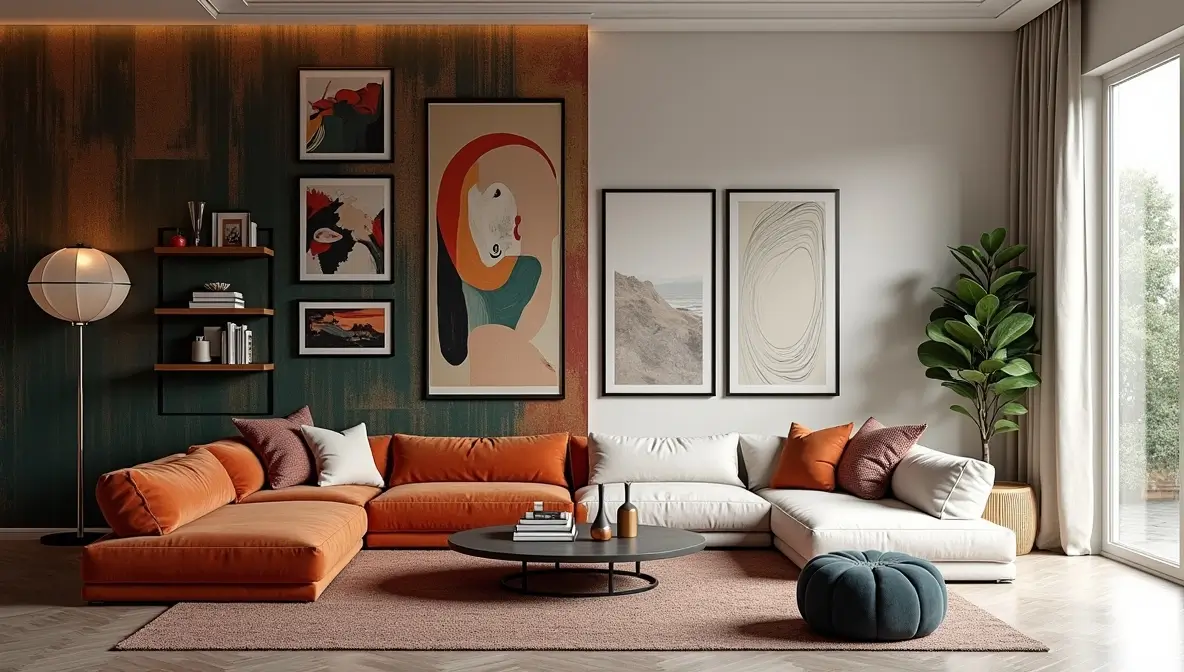
- Defining Features In Colorful “Midimalism”, the overall approach to furnishings, layout, and the amount of “stuff” is generally restrained, leaning towards minimalist principles. However, color is used boldly and with clear intention through strategic hues. This could be a striking, vibrant sofa that acts as a focal point, a richly colored statement rug anchoring the seating area, an impactful feature wall, or even a few pieces of impactful, colorful art. These bold color choices are typically set against a backdrop of relative simplicity, often featuring neutral walls and uncluttered surfaces. Ultimately, it’s all about achieving high visual impact with a few carefully chosen, powerfully hued elements.
- Ideal For This style is a fantastic option for dedicated color lovers who nevertheless dislike visual clutter. It’s also great for those who want to make a confident design statement with color without overwhelming the entire living room space.
- Achieving the Look The key is to select a few key pieces to carry your bold color choices effectively. Keep the surrounding elements relatively neutral or subtly complementary to allow those vibrant colors to truly pop and take center stage. This ensures the color makes a statement without creating chaos.
Part 4: Leaning Towards Simplicity – Transitional & Soft Minimalist Styles (Styles 13-19)
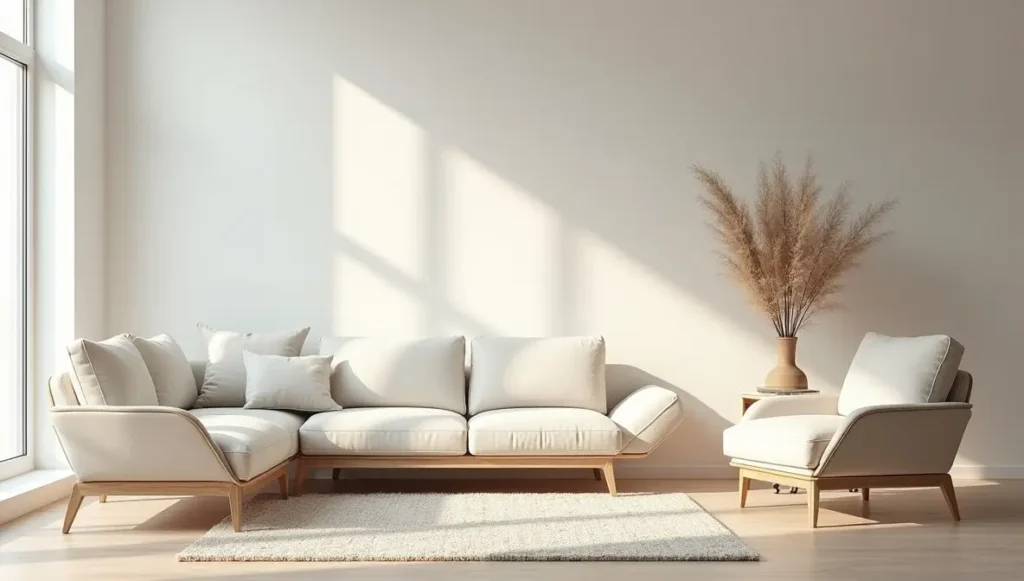
The Gentle Art of Less: Transitional and Soft Minimalist Living Rooms As we journey further along the design continuum, we encounter living room styles that embrace the “gentle art of less.” These approaches prioritize calmness, curated simplicity, and a distinct sense of order. However, unlike the starker forms of minimalism, these Soft Minimalist and Transitional styles often retain a significant degree of warmth, welcoming textures, and inviting character. Consequently, they offer a beautiful bridge for those seeking less clutter but more soul.
Style 13: Transitional Style – Bridging Traditional and Modern with Grace
Transitional Style is the ultimate diplomat of the design world, masterfully bridging traditional and modern aesthetics with elegance and grace. It creates a harmonious balance that feels both comfortably familiar and refreshingly current.
- Defining Features At its heart, Transitional Style is a thoughtful blend: you’ll see furniture pieces that echo classic, traditional forms but often with cleaner, more streamlined lines than their purely historic counterparts. Conversely, modern elements are softened, losing any potential starkness. The color palette tends to be neutral or gently muted, creating a serene canvas. Accessories, while present and impactful, are used sparingly, each chosen for its ability to enhance the room without overwhelming it. Ultimately, the focus is steadfastly on comfort and creating a timeless appeal that sidesteps fleeting trends, offering more ornamentation than strict modernism but less formality than pure traditional design.
- Ideal For This sophisticated style is perfect for those who appreciate the enduring qualities of classic design but desire a more updated, less formal, and more relaxed feel in their living room. It’s for individuals who find beauty in balance.
- Achieving the Look To achieve this graceful blend, thoughtfully mix furniture pieces that feature both curved and straight lines. Employ a calm, cohesive color scheme to unify the space. Most importantly, focus on investing in high-quality, comfortable pieces that invite relaxation and stand the test of time.
Style 14: Warm Minimalism – Inviting Simplicity with Soft Textures
For those who are drawn to the clean calm of minimalism but crave a cozier, more inviting atmosphere, Warm Minimalism offers the perfect solution. It’s minimalism with a comforting hug, emphasizing inviting simplicity.
- Defining Features Warm Minimalism faithfully adheres to core minimalist principles like essentialism and the beauty of uncluttered spaces. However, it significantly softens the overall look through its deliberate choice of warmer neutral tones – think creamy beiges, soft taupes, inviting creams, and even gentle terracotta accents. Plush and varied textures play a crucial role, with materials like bouclé, soft wool, natural linen, and even velvet used in moderation to add tactile comfort. Lighting is typically soft and diffused, creating a gentle ambiance, while natural materials like wood and stone further enhance the welcoming, organic feel. Embracing this style can often involve a mindful approach to possessions, recognizing the connection between decluttering and well-being (Example external link for decluttering/well-being – assuming this is a non-competitor psychology/wellness resource).
- Ideal For This style is particularly appealing to individuals who appreciate minimalist aesthetics but find the starker interpretations a bit too cold or impersonal for their taste. It’s for those seeking a cozy, inviting, yet beautifully ordered living room.
- Achieving the Look The key is to layer different textures, even if they are in similar neutral hues, to create depth and interest. Utilize soft, diffused lighting to enhance the warm glow. Finally, choose comfortable furniture pieces that still maintain clean, simple forms.
Style 15: Organic Modern Minimalist – Nature-Inspired Forms and Materials
Organic Modern Minimalist design brings the serenity of the natural world indoors, blending the clean functionality of modernism with soft, nature-inspired forms and materials. It’s a breath of fresh air.
- Defining Features While retaining the clean lines and functional ethos of modern design, this style softens them considerably through the generous use of natural, organic materials. Light-toned woods, stone accents, rattan, jute, and linen are all common features. Biophilic elements, particularly the inclusion of numerous plants, are central to this aesthetic, strengthening the connection to nature. Furniture forms often mimic natural, gentle curves rather than sharp angles, and you might see unrefined or live edges on wooden pieces. There’s also an underlying focus on sustainability and creating a living room that feels grounded and connected to the outdoors, all within a refined minimalist framework.
- Ideal For This style is perfect for those who seek a calm, grounded environment in their home. It beautifully bridges modern living with the tranquility of the natural world, often emphasizing sustainability and overall well-being.
- Achieving the Look Incorporate plenty of natural wood grains, tactile stone accents, and an abundance of diverse plants. When choosing furniture, lean towards pieces with softer, more organic shapes and those made from natural fibers. The aim is a harmonious, nature-infused simplicity.
Style 16: Coastal Minimalist – Breezy Serenity and Understated Elegance
Dreaming of seaside calm? Coastal Minimalist design evokes that light, breezy serenity and an understated elegance, all without resorting to overt nautical clichés. It’s like a permanent, peaceful vacation.
- Defining Features This style masterfully captures a light, airy, beach-like feel. The color palette is key, featuring an abundance of whites, soft blues reminiscent of the sea and sky, sandy beiges, and occasionally muted greens. Natural textures are prominent, with linen, cotton, light weathered woods, and jute appearing in upholstery, rugs, and accessories. Uncluttered surfaces and an emphasis on maximizing abundant natural light are paramount. Any nods to the coast are subtle and sophisticated – perhaps a simple, evocative seascape painting, a few smooth stones, or a piece of driftwood – always used sparingly to maintain the minimalist feel.
- Ideal For Coastal Minimalist style is a haven for lovers of the ocean and anyone who desires a relaxed, serene, and beautifully uncluttered atmosphere in their living room. It’s for those who want their home to feel like a calming escape.
- Achieving the Look Prioritize light colors and do everything possible to maximize natural light within the space. Make generous use of natural materials, especially those with a light, weathered, or textural quality. Keep decorative items minimal, focusing instead on texture, subtle coastal hues, and that all-important airy feeling.
Style 17: Wabi-Sabi Inspired Minimalism – Finding Beauty in Imperfection and Simplicity
Rooted in ancient Japanese philosophy, Wabi-Sabi Inspired Minimalism is a profound approach that finds deep beauty in imperfection, transience, and simplicity. It celebrates the authentic and the unpretentious.
- Defining Features This deeply soulful style embraces asymmetry, roughness, and the integrity of natural materials. You’ll often find handmade or aged items, each bearing the marks of time or the artisan’s touch. Simplicity and an unpretentious character are core tenets. Color palettes are typically muted and earthy, drawn from nature. While the space is uncluttered, in line with minimalist principles, it also possesses a palpable sense of history, soul, and authenticity. It’s not about achieving pristine perfection, but rather appreciating the inherent beauty of things as they are.
- Ideal For Wabi-Sabi appeals to those who value authenticity, true craftsmanship, and the beautiful patina that comes with age. It’s for individuals seeking a living room that feels humble, grounded, deeply connected to natural processes, and rich with understated character.
- Achieving the Look Actively choose items that possess natural imperfections – a slightly irregular handmade ceramic piece, a piece of wood with a unique grain. Incorporate handmade textiles or beautifully aged wooden elements. Above all, keep the space simple and unadorned, allowing the inherent beauty of the materials and objects to speak for themselves.
Style 18: Soft Industrial Minimalist – Raw Edges Meet Refined Comfort
Soft Industrial Minimalist design takes the appealing raw edginess of industrial style and gives it a significant dose of refined comfort. It’s where gritty character meets livable simplicity.
- Defining Features This style certainly takes cues from classic industrial design, so you might see elements like exposed brick (or convincing faux panels), concrete surfaces, and metal accents, often in blackened steel or iron. Weathered wood also plays a part. However, these rawer elements are considerably softened. Furniture pieces are chosen for comfort and often have more refined lines than in pure industrial settings. Textiles – throws, cushions, rugs – add crucial warmth and softness. Consequently, the overall feel is far less raw and much more curated than its purely industrial predecessor, all while strictly maintaining a minimalist approach to the quantity of items and avoiding any sense of clutter.
- Ideal For This is an excellent choice for those who are drawn to the edgy character of industrial style but ultimately prefer a more livable, comfortable, and less stark interpretation for their everyday living room.
- Achieving the Look The key is to skillfully balance those raw industrial materials with softer, more inviting textures. Choose comfortable furniture that features clean, unfussy lines. Keep accessories minimal and ensure each one is purposeful, contributing to the aesthetic without adding clutter.
Style 19: “Quiet Luxury” Minimalism – Understated Elegance and Quality Materials
In a world often focused on overt branding, “Quiet Luxury” Minimalism offers a sophisticated alternative. This style champions understated elegance, impeccable craftsmanship, and the inherent beauty of high-quality materials.
- Defining Features The focus here is squarely on the intrinsic value of items – their superior materials, meticulous craftsmanship, and timeless design – rather than on flashy logos or fleeting trends. The luxury is in the feel, the make, and the enduring quality of each piece, not in its ability to shout its origins. You’ll typically find neutral, sophisticated color palettes that exude calm. Furniture is often tailored, with classic silhouettes that promise longevity. A sense of refined simplicity pervades the space. Ultimately, it’s about thoughtfully investing in pieces that are built to last and exude a quiet, confident elegance.
- Ideal For This discerning style is for individuals who appreciate subtle sophistication and lasting quality. It’s for those who believe true luxury is more experiential – felt in the touch of a fabric or the perfect balance of a chair – than showily displayed.
- Achieving the Look Invest in well-made pieces crafted from beautiful, natural, high-end materials like solid wood, fine leather, linen, or cashmere. Focus on classic, enduring silhouettes that won’t quickly fall out of fashion. Maintain an uncluttered and meticulously organized living room to let the quality of each piece truly shine.
Part 5: Embracing Simplicity – The Minimalist End of the Spectrum (Styles 20-25)
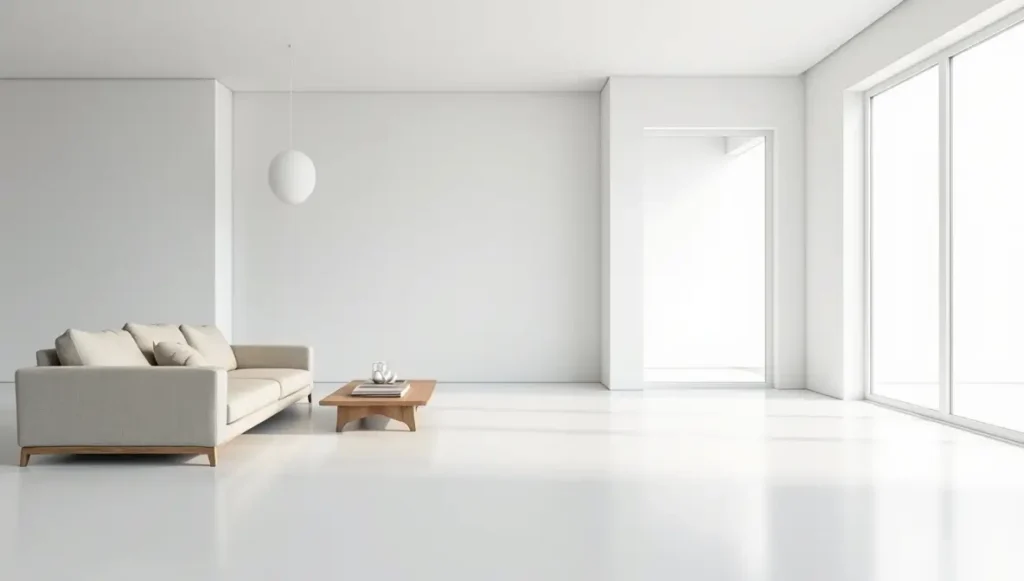
The Essence of Enough: Exploring Pure Minimalist Living Room Styles Welcome to the realm where “less is more” isn’t just a saying, but a profound way of life reflected in design. Here, at the far end of our spectrum, we explore Pure Minimalist living room styles. These are the most pared-back, deeply intentional approaches, where every line, every object, and every empty space serves a distinct purpose. Consequently, these styles offer a unique sense of clarity and calm.
Style 20: Classic (Strict) Minimalism – The Epitome of “Less is More”
Classic Minimalism, sometimes referred to as Strict Minimalism, is the truest, most undiluted expression of the “Less is More” philosophy. It is a masterclass in discipline, functionality, and serene order.
- Defining Features This uncompromising style demands a strict adherence to the absolute essentials. Furniture is chosen for its high functionality and features clean, sharp, often geometric lines. The color palette is typically monochromatic or utilizes a very limited range of neutrals, frequently whites, grays, and black, creating a visually quiet space. Uncluttered surfaces are paramount; indeed, they are a defining characteristic. Hidden storage solutions are therefore essential to maintain this pristine look. Furthermore, there’s an intense focus on the quality of materials and the perfection of execution in every detail. Every single item within the room must have a clear, undeniable purpose.
- Ideal For Classic Minimalism is for purists who genuinely value extreme order, uncompromised functionality, and a profoundly serene, distraction-free environment. It appeals to those who find that such clarity in their surroundings promotes clarity of mind and a deep sense of calm.
- Achieving the Look Successfully achieving this look requires rigorous and, importantly, continuous decluttering. It also necessitates an investment in high-quality, often multi-functional, pieces that embody the minimalist aesthetic. Meticulous organization, where everything has its place, is absolutely key to maintaining this style’s integrity.
Style 21: Japanese (Zen) Minimalism – Tranquility, Nature, and “Ma” (Space)
Deeply rooted in ancient philosophical traditions, Japanese (Zen) Minimalism is more than just an aesthetic; it’s an approach to creating spaces that foster tranquility, mindfulness, and a harmonious connection with the natural world.
- Defining Features A core focus of this style is the use of natural materials, such as wood (often light-toned like hinoki or maple), bamboo, and traditional rice paper screens (shoji). Furniture is typically low-profile, encouraging a connection to the earth. A strong, albeit subtle, connection to nature is vital, whether through a carefully framed view, a single, perfectly arranged ikebana floral display, or the play of natural light. Crucially, Japanese Minimalism places great emphasis on empty or negative space, known as “Ma” (Space), believing it to be as important as the objects themselves. Natural light is maximized, and color palettes consist of calming, earthy neutrals. The overall aim is to promote harmony, balance, and a mindful presence.
- Ideal For This serene style is for those seeking a deeply peaceful, contemplative, and perhaps even spiritually resonant living room. It appeals to individuals who wish to foster a strong connection with nature and appreciate the profound beauty of simplicity and mindful living.
- Achieving the Look Incorporate natural elements thoughtfully and sparingly. Keep furniture low, simple in form, and crafted from natural materials. Maximize the flow of natural light throughout the space. Most importantly, learn to respect and strategically utilize empty space, allowing the room to breathe.
Style 22: Monochromatic Minimalism – Depth and Sophistication in a Single Hue
Monochromatic Minimalism takes the “less is more” principle and applies it to color, creating spaces of surprising depth and sophistication using only varying shades, tints, and tones of a single hue.
- Defining Features In this strikingly unified aesthetic, the entire living room is decorated within the spectrum of one chosen color. While this is most commonly a neutral like white, gray, or beige, it can also be a muted, desaturated color. Visual interest, therefore, isn’t created through contrasting colors but rather through the subtle interplay of different textures, forms, and the nuanced shifts in tone. Despite the focused color palette, it rigorously maintains core minimalist principles of simplicity, functionality, and a distinct lack of clutter. The effect is often incredibly chic and calming.
- Ideal For This style appeals to those who appreciate a highly sophisticated, cohesive, and calming aesthetic. It’s for individuals who enjoy the challenge and beauty of creating visual interest through nuance and texture rather than a broad palette.
- Achieving the Look First, choose your base color carefully. Then, explore its full range, from the lightest tints to the deepest shades. Critically, use a diverse array of materials and textures – a nubby wool, smooth silk, matte paint, polished stone – all within your chosen hue, to add depth and prevent the scheme from feeling flat or monotonous, all while keeping furniture forms simple.
Style 23: High-Tech/Futuristic Minimalism – Sleek, Smart, and Seamlessly Integrated
For those who look to the future, High-Tech Minimalism offers a vision of living room design that is sleek, smart, and features seamlessly integrated technology. It’s minimalism with a cutting-edge, innovative twist.
- Defining Features This style is characterized by its ultra-clean lines, often giving off a sleek, sometimes almost clinical or futuristic, vibe. Technology is not just present; it’s artfully and seamlessly integrated, frequently hidden from view until needed – think smart home systems that control lighting and climate, or minimalist entertainment setups that disappear into walls. Smooth, often high-gloss surfaces like glass, polished concrete, or metal are common choices for finishes. The ultimate focus is on supreme functionality, efficiency, and embracing innovation within a rigorously uncluttered aesthetic.
- Ideal For High-Tech Minimalism is a natural fit for tech enthusiasts, innovators, and anyone who values cutting-edge design. It appeals to those who appreciate efficiency and an uncluttered environment where technology elegantly enhances, rather than complicates, simplicity.
- Achieving the Look Successful execution requires planning for integrated technology right from the outset of the design process. Choose furniture that may offer built-in storage or discreet tech capabilities. Above all, maintain pristine, ultra-clean surfaces to preserve that sleek, futuristic feel.
Style 24: Brutalist-Inspired Minimalism – Raw Honesty and Sculptural Simplicity
Drawing its inspiration from the bold and often monumental forms of Brutalist architecture, Brutalist-Inspired Minimalism champions raw honesty in materials and a powerful, sculptural simplicity.
- Defining Features This striking style places a strong emphasis on raw, exposed materials – think board-formed concrete, patinated steel, and sometimes unfinished or roughly hewn wood. Forms are typically bold, geometric, and often possess a blocky, substantial quality, lending a sense of monumentality even to smaller pieces. Ornamentation is absolutely minimal, if present at all. Instead, the inherent texture and character of the materials themselves provide the primary visual interest, all presented in a pared-down, sculptural, and unapologetically honest way.
- Ideal For This aesthetic resonates with admirers of modernist architecture, particularly its Brutalist expressions. It’s for those who appreciate strong, uncompromising forms and find beauty in the unadorned, inherent qualities of raw materials when presented with striking simplicity.
- Achieving the Look If possible, highlight any existing structural elements like concrete walls or steel beams. Alternatively, use materials like concrete (or convincing, high-quality faux alternatives) for surfaces or feature walls. Choose furniture that boasts simple, bold, geometric silhouettes, and keep the overall color palette stark and true to the materials.
Style 25: “Essentialist” or Ascetic Minimalism – Living Only With What Truly Matters
At the very furthest reach of the minimalist spectrum lies “Essentialist” Minimalism, sometimes termed Ascetic Minimalism. This is less a mere design style and more a profound lifestyle philosophy, focused on living only with what truly matters.
- Defining Features This is the most extreme and deeply intentional form of minimalism. It involves possessing only those items that are absolutely essential for daily function or those that bring profound, specific joy or utility – and nothing more. The living room (and indeed, the entire home) is defined as much by its profound emptiness and sense of open space as by its very few, exceptionally carefully chosen items. Every single object that remains has undergone rigorous scrutiny regarding its purpose and value to the inhabitant.
- Ideal For “Essentialist” Minimalism is for individuals who are deeply committed to a minimalist lifestyle in its fullest sense. It appeals to those seeking ultimate freedom from material possessions, allowing them to focus more on experiences, relationships, and core needs.
- Achieving the Look This is not a one-time decorating project but rather a continuous, deeply mindful process. It involves ongoing, deep decluttering, highly conscious and infrequent acquisition of new items, and a constant focus on the purpose and meaning behind every single item allowed into the living space.
Part 6: Practical Application and Conclusion
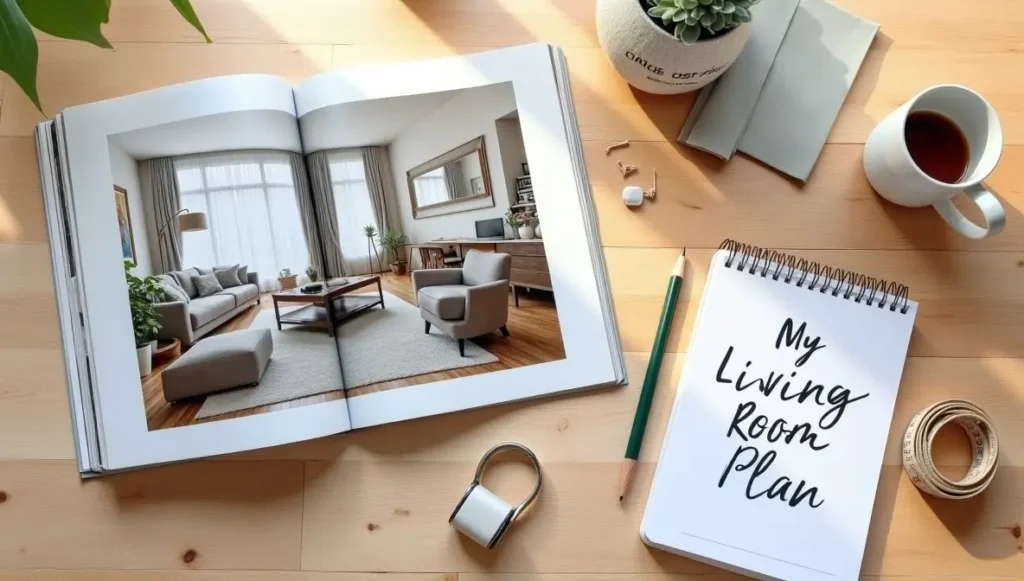
- Pinpointing Your Preference: How to Identify Your Ideal Living Room Style on the Spectrum After exploring such a wide range of aesthetics, from the most exuberant maximalism to the purest minimalism, you might be wondering, “Where do I even begin to find my style?” Pinpointing your preference is a wonderfully personal journey, and a few practical steps can certainly illuminate the path. Ultimately, it’s about discovering what makes your heart sing.
- Key Questions for Self-Reflection Before you even think about specific furniture or colors, engage in a bit of self-reflection. Ask yourself: How do I truly want to feel when I’m in my living room – energized, calm, inspired, cozy, or something else entirely? What’s my genuine tolerance for visual stimuli; do lots of objects make me feel happy and stimulated, or a bit anxious and overwhelmed? Consider your practical needs too: How do you use your living room daily? What objects truly hold meaning for you and deserve a place of honor? Answering these honestly will provide invaluable clues.
- The Power of Visual Inspiration: Creating Mood Boards Never underestimate the power of visual cues! Creating mood boards is a fantastic, and fun, way to gather your inspirations. You can go digital with tools like Pinterest, saving images that catch your eye. Alternatively, get hands-on with a physical board, collecting fabric swatches, paint chips, magazine cutouts, and photos of textures or rooms you adore. As you gather, patterns will likely emerge, highlighting the colors, shapes, and overall vibes you’re consistently drawn to. This visual collage becomes a powerful guide.
- Test Driving Elements: Experimenting Before Committing Sometimes, you just need to see things in your own space. Before making any big commitments or purchases, try “test driving” certain elements. For instance, get a sample pot of that paint color and try it on a small section of wall. Bring in a few new accessories in a style you’re considering, or even just rearrange your existing furniture to mimic a layout you admire. This kind of experimentation can prevent costly mistakes and build your confidence.
- Understanding That Styles Can Evolve With You Finally, remember that your personal style isn’t set in stone. Just as you grow and change, so too can your design preferences. What feels perfect today might not in five years, and that’s perfectly okay! Allow your living room to be an evolving reflection of who you are. The journey of refining your space is ongoing.
- Navigating Change: Practical Tips for Transitioning Your Living Room Style Perhaps you’ve identified a new style direction, or maybe you’re looking to shift from one end of the spectrum towards the other. Transitioning your living room style can feel like a big undertaking, but breaking it down into manageable steps makes it far less daunting. Whether you’re leaning towards more abundance or craving more simplicity, here are some practical tips.
- Moving Towards a More Maximalist Living Room If you’re ready to embrace more vibrancy and personality, here’s how to gently nudge your space towards a maximalist living room:
- Start by layering. Introduce more throw pillows in varied textures and patterns, add a cozy throw or two, or even consider layering a smaller, more colorful rug over a larger neutral one.
- Introduce pattern and color incrementally. You don’t have to go all-out at once. Perhaps start with a patterned accent chair, some vibrant artwork, or a new set of curtains.
- Begin curating and proudly displaying your collections. Group similar items together for greater impact, and consider creating a gallery wall with art and objects you love.
- Most importantly, incorporate meaningful objects and personal touches. Maximalism is all about showcasing your unique story and passions.
- Shifting Towards a More Minimalist Living Room If, on the other hand, you’re craving the calm and clarity of a more minimalist living room, these steps can help you simplify:
- Master the art of decluttering. This is foundational. Tackle one area or category at a time. Consider methods like the KonMari approach, or implement a “one-in, one-out” rule for new purchases to maintain balance.
- Focus intently on functionality. Ask yourself: Does every single item in this room serve a clear and useful purpose, or bring me profound joy? If not, it might be time to let it go.
- Neutralize your color palette gradually. You can start by painting walls a calming neutral, then slowly edit out more brightly colored accessories or furnishings if they no longer fit your vision.
- Invest in smart storage solutions. The key to maintaining clear, uncluttered surfaces in a minimalist space is often having excellent, well-organized hidden storage.
Conclusion: Beyond Labels – Crafting a Living Room That’s Authentically Yours
What a journey it has been, from the exuberant heights of maximalist extravagance all the way to the serene depths of minimalist serenity! We’ve explored a vast landscape of 25 distinct living room styles, each with its own unique charm and philosophy. However, if there’s one key takeaway, it’s this: the “best” style is entirely subjective and deeply, wonderfully personal. These categories are here to inspire, not to confine. Ultimately, the goal is to craft a living room that is authentically yours. Feel empowered to draw inspiration from multiple styles, to confidently blend elements that resonate with you, and to break any “rules” that don’t serve your vision. Your living room should be a sanctuary, a place that not only looks good but, more importantly, feels right. It should support your lifestyle, reflect your personality, and be a space where you truly love to spend your time. So, go forth and create a space that tells your unique story with confidence and joy!
Part 7: Addressing Your Questions – FAQs and Further Insights
Your Living Room Style Questions Answered: FAQs
It’s perfectly natural to have a few lingering questions after exploring such a diverse range of living room aesthetics. Therefore, this section aims to provide clear, concise answers to some of the most frequently asked questions, helping you further refine your understanding and design choices.
Q1: Can you truly be a maximalist and a minimalist at the same time in your living room?
That’s a fascinating question! While pure maximalism and pure minimalism are indeed opposites, many people find themselves drawn to elements of both. This is where the concept of “Midimalism” or a balanced approach truly shines. For instance, you might appreciate the organizational principles of minimalism – clear surfaces, no unnecessary clutter – yet adore the vibrant color and collected feel of maximalism in your decor choices. Perhaps one corner of your living room features a joyfully curated maximalist gallery wall, while the rest of the space maintains a more serene, minimalist calm. Ultimately, it’s about creating a hybrid style that reflects your unique personality and lifestyle needs, rather than strictly adhering to one label.
Q2: What’s the core difference between maximalist and eclectic living room styles?
This is a common point of curiosity, as both styles involve mixing elements. The core difference lies in intent and degree. Maximalism is often inherently eclectic, meaning it draws from various sources, periods, and styles. However, maximalism’s defining characteristic is its embrace of abundance – “more is more” – featuring layers of patterns, textures, colors, and objects. Conversely, while an eclectic living room also mixes diverse styles, it can be done on a much more restrained or even minimalist scale. You could have an eclectic room with just a few carefully chosen pieces from different eras, maintaining plenty of negative space. So, while a maximalist room is almost always eclectic, an eclectic room isn’t necessarily maximalist.
Q3: How do I make my living room look truly minimalist without feeling cold or empty?
Ah, the age-old concern with minimalist design! It’s absolutely possible to achieve a minimalist living room that feels inviting and warm, rather than cold or sterile. The key is to focus on strategies like Warm Minimalism. This involves using a palette of warmer neutrals (creams, beiges, soft greys, earthy tones) instead of stark whites. Introduce a variety of subtle textures through textiles like wool, linen, or even a soft bouclé. Strategic, soft lighting – think diffused light sources rather than harsh overheads – also makes a huge difference. Furthermore, incorporating natural elements like plants or wooden pieces can add life and warmth. Lastly, ensure the few pieces you do have possess subtle character or evidence of craftsmanship, adding soul to the simplicity.
Q4: What are the quickest ways to add maximalist flair to a currently plain living room?
If your living room is feeling a bit too plain and you’re craving some maximalist flair, there are several quick ways to inject personality and vibrancy! Consider introducing a bold, patterned rug – it can instantly transform the feel of the space. Creating even a small gallery wall with art, photos, and interesting objects you love can add immediate character. Don’t underestimate the power of textiles: adding colorful and richly textured throw pillows and blankets to your sofa makes a big impact. Displaying a cherished collection, whether it’s pottery, books, or quirky finds, also shouts maximalism. Finally, incorporating a statement lamp with a unique design or color can act as a striking focal point.
Q5: Is maximalism just a trend, or does it have lasting appeal like minimalism?
Both maximalism and minimalism are more than just fleeting trends; they represent fundamental and enduring approaches to interior design. Each has deep historical roots and tends to fluctuate in mainstream popularity over time, often in response to prevailing social or cultural moods. For instance, minimalism gained significant traction for its calming simplicity in a fast-paced world. Recently, maximalism has seen a strong resurgence, perhaps as a joyful reaction to years of dominant minimalism, with people craving more personal expression and visual richness in their homes. Both styles resonate deeply with different personalities and will likely continue to have lasting appeal for those who connect with their core philosophies.
Q6: How important is symmetry in maximalist vs. minimalist living rooms?
Symmetry plays quite different roles in these two styles. In minimalist living rooms, symmetry is often utilized to enhance the sense of order, calm, and visual balance. Think of a perfectly centered sofa flanked by identical side tables and lamps. It reinforces the clarity and precision inherent in the style. In maximalist living rooms, however, while symmetry can certainly be used (as seen in some Hollywood Regency or formal traditional maximalist spaces), the style often thrives on artful asymmetry and dynamic balance. A maximalist space might feature a deliberately off-center gallery wall, a mix of different chair styles, or varied heights in decorative arrangements to create visual energy and a more organic, collected-over-time feel.